FA’AVAE
Role Graphic Designer Web designer
Tools Illustrator Indesign Figma Photoshop
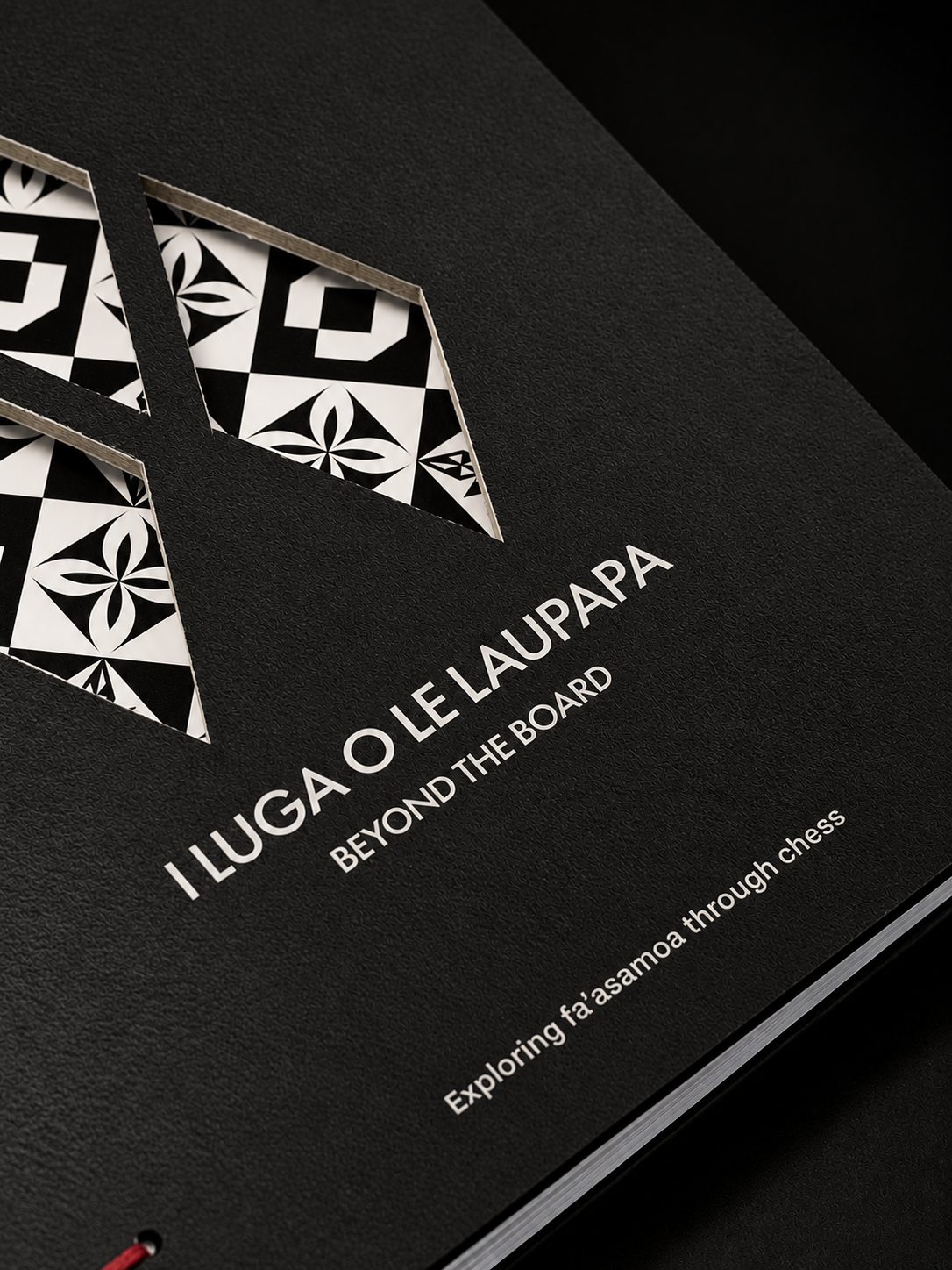
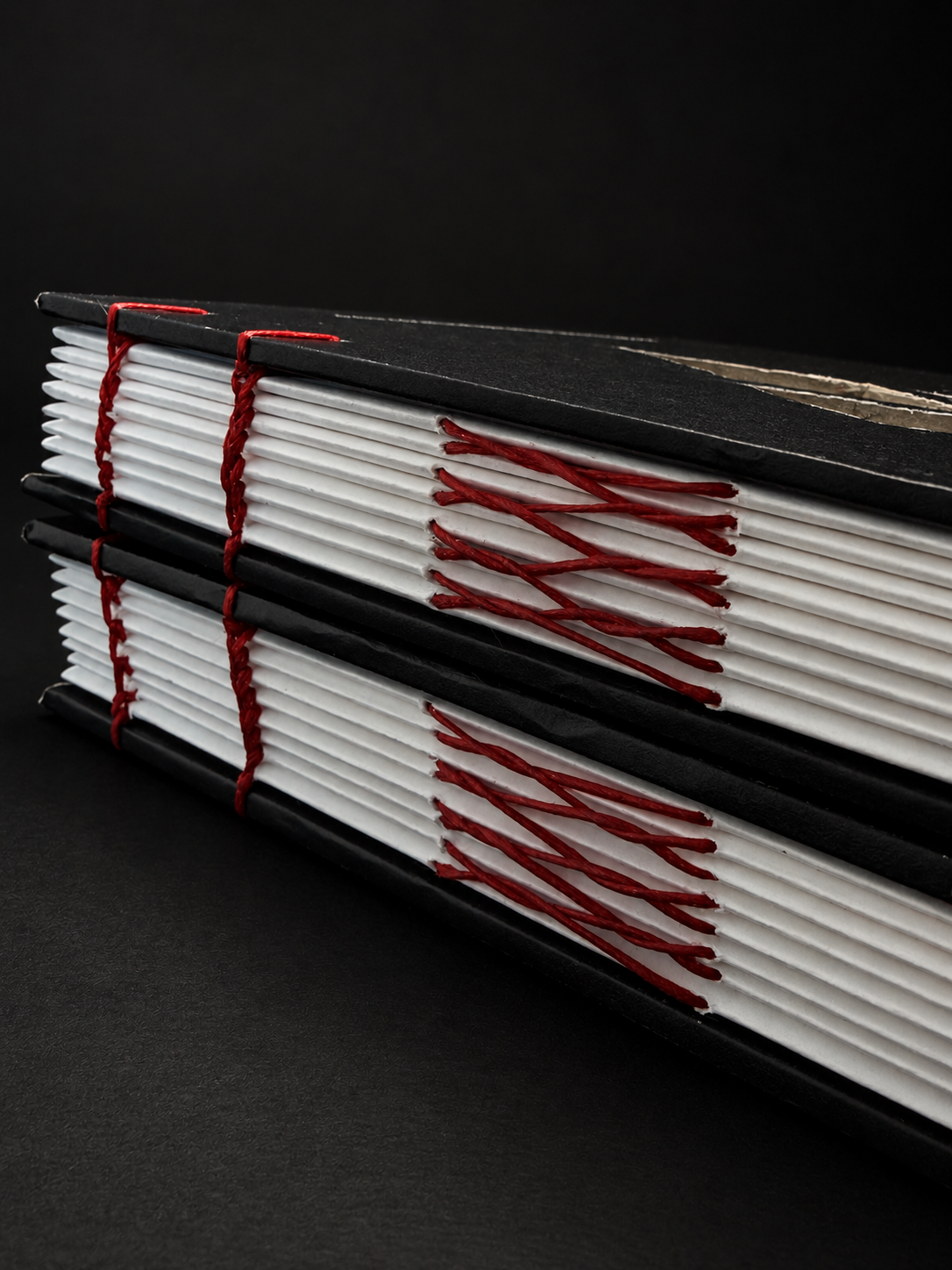
Deliverables Brand Ecosystem Samoan Chess Set Interpretive Handbook
Timeline 16 weeks
Exploring how fa’asamoa can be reinterpreted for the next generation of Samoans
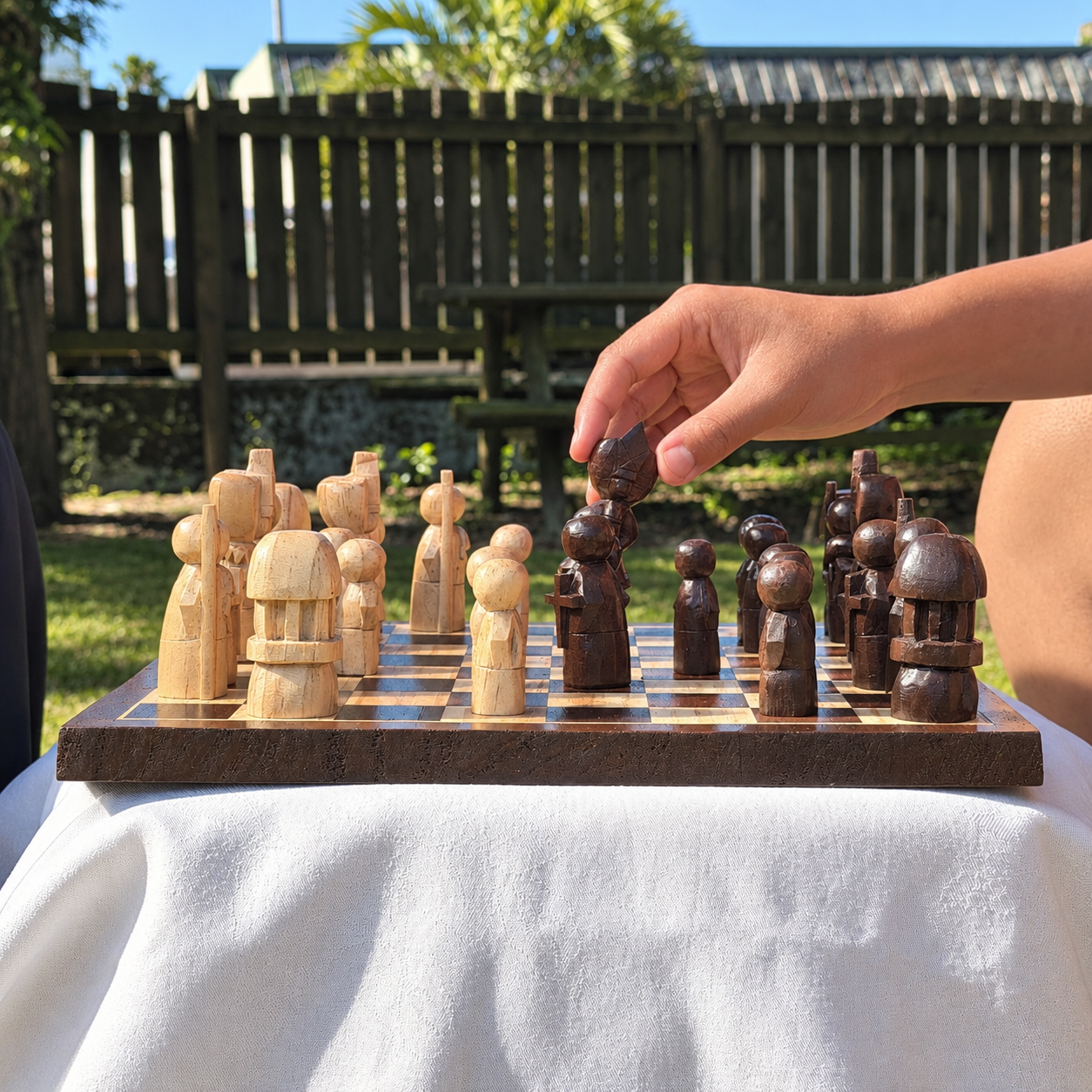
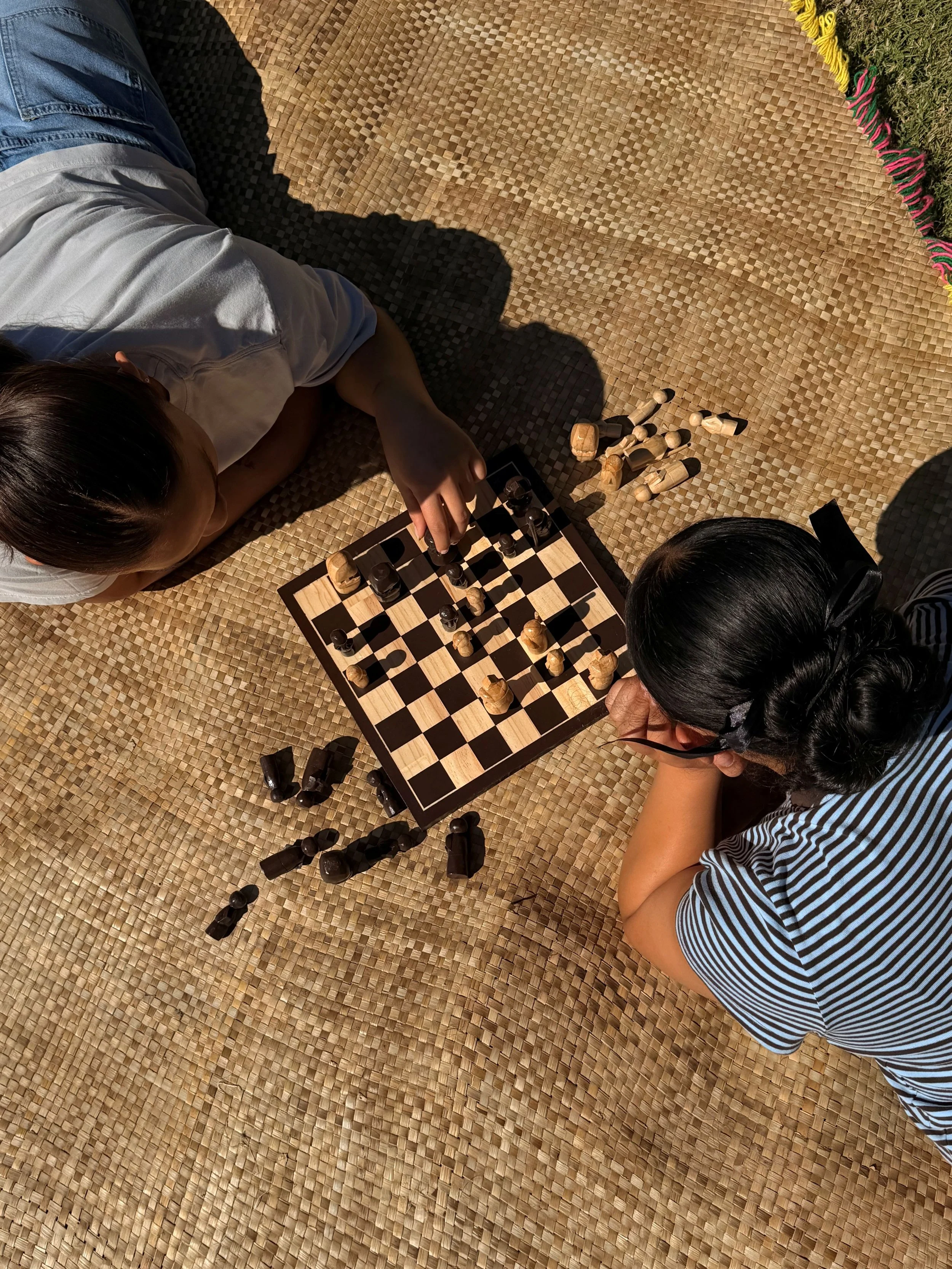
New Zealand-born Samoans have limited opportunities to engage with and learn fa’asamoa (the Samoan way), contributing to a growing disconnect from their cultural identity
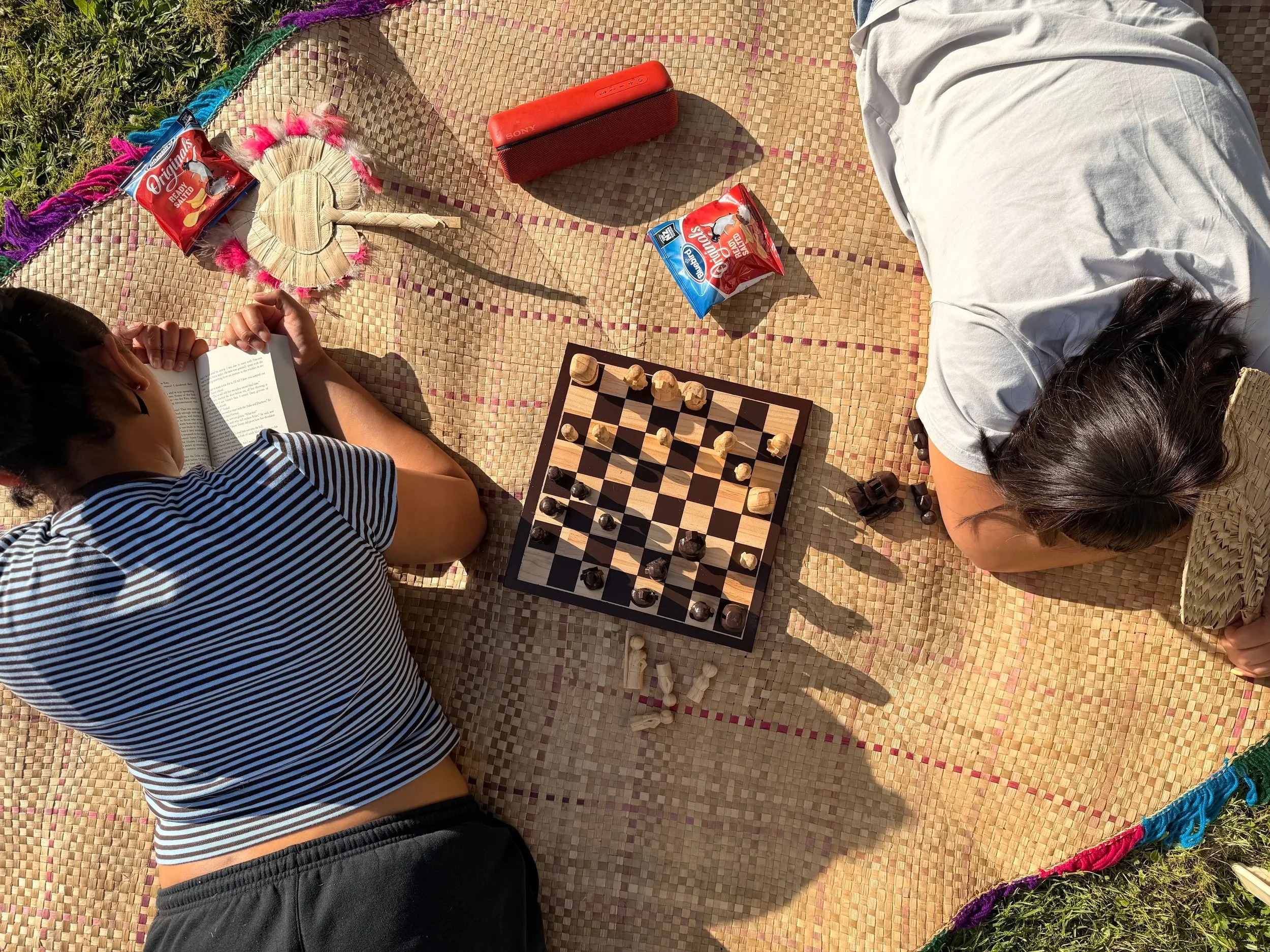
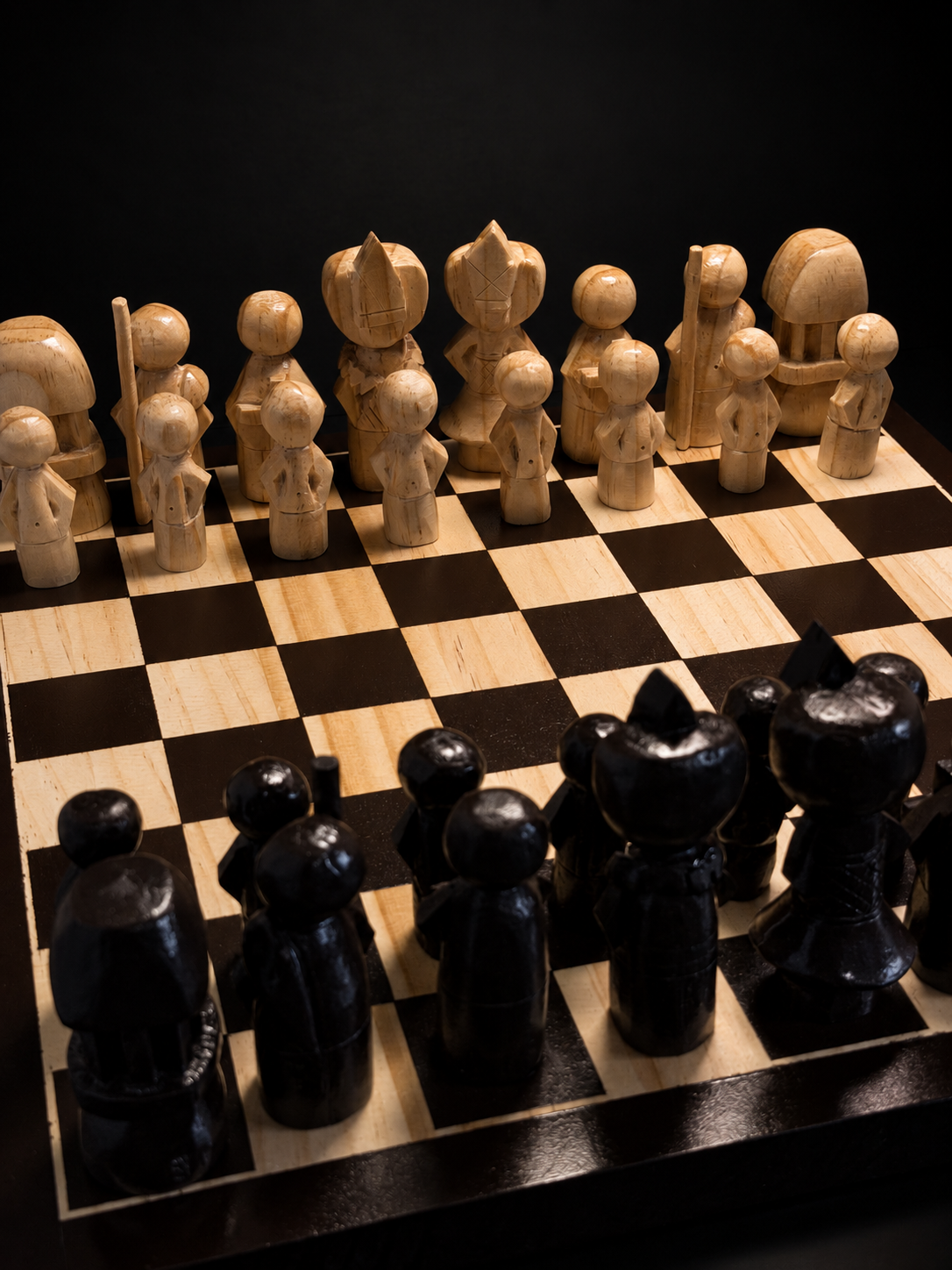
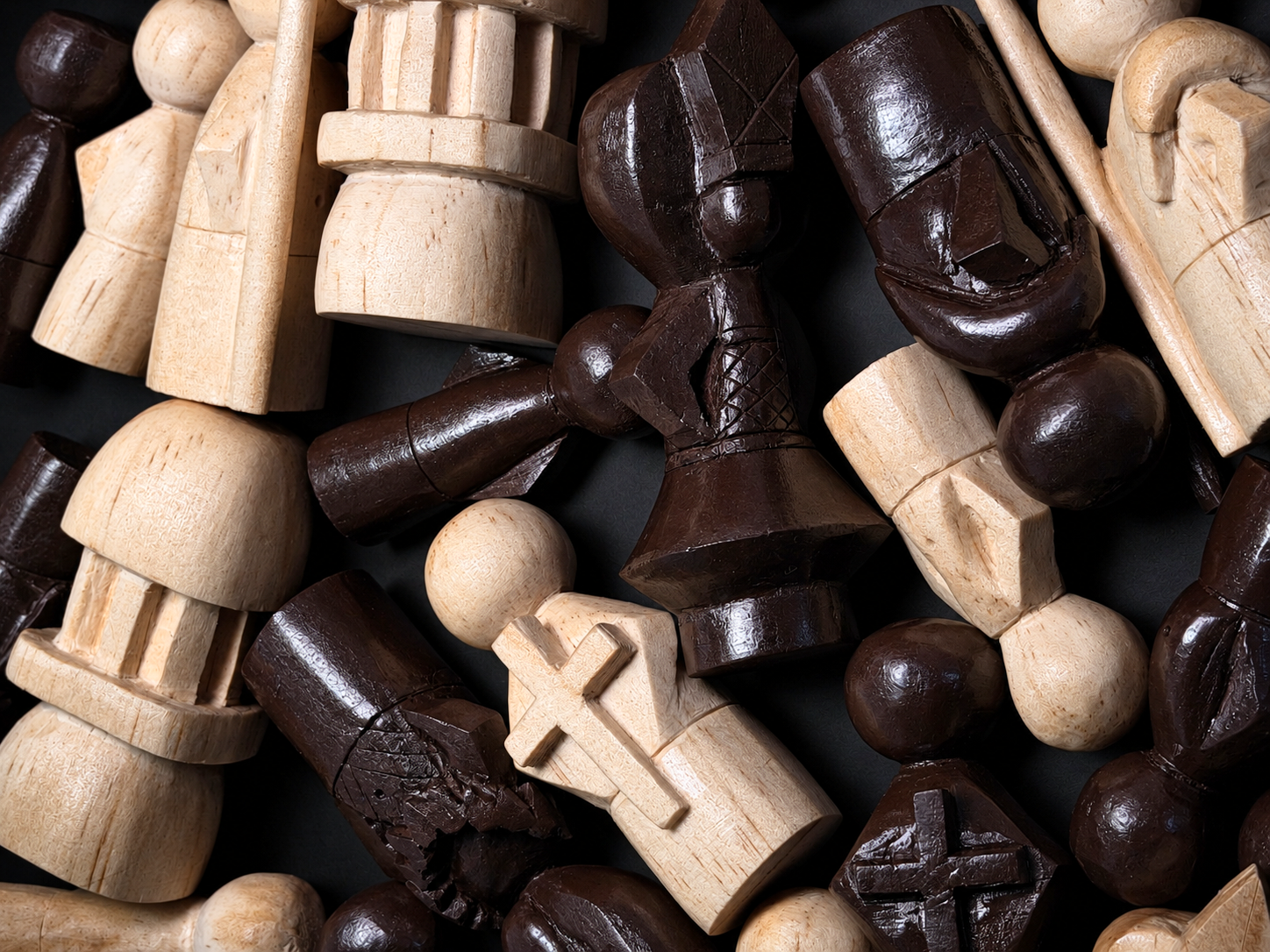
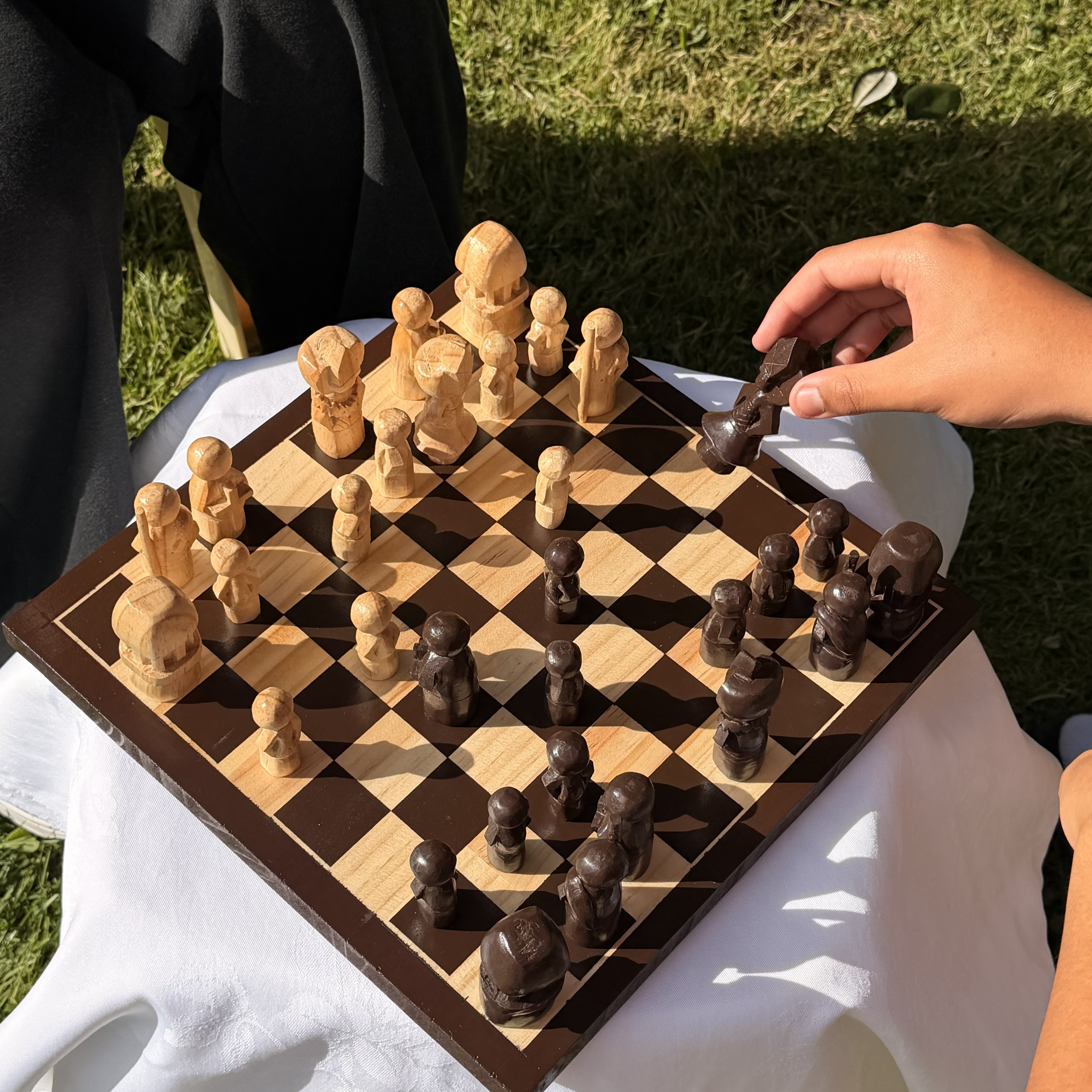
Fa’avae was created for the next generation of diaspora Samoans to learn, explore and understand the Samoan way, through a reinterpreted chess set, reflecting the roles, traditions and foundational values of Samoan society.
process
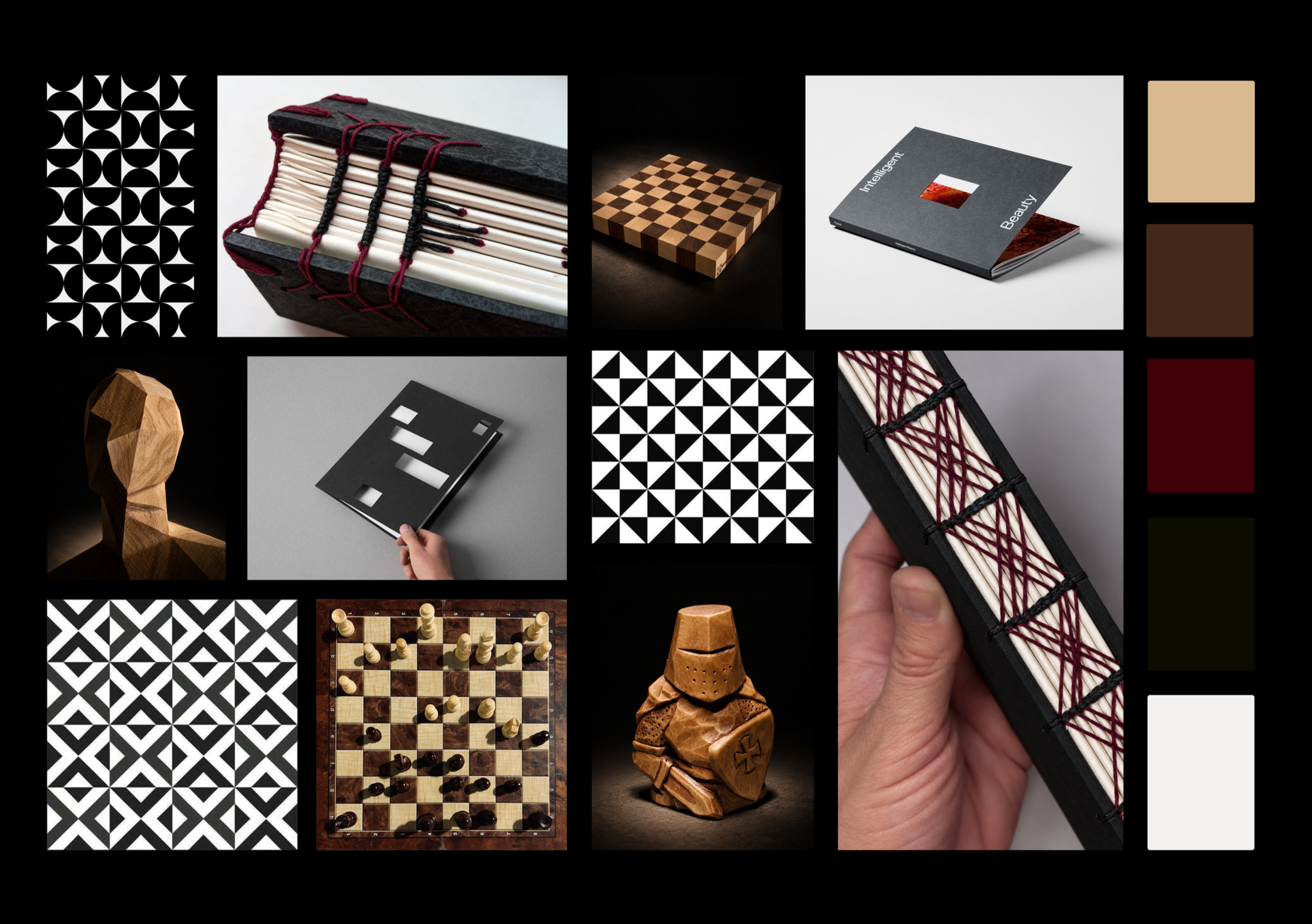
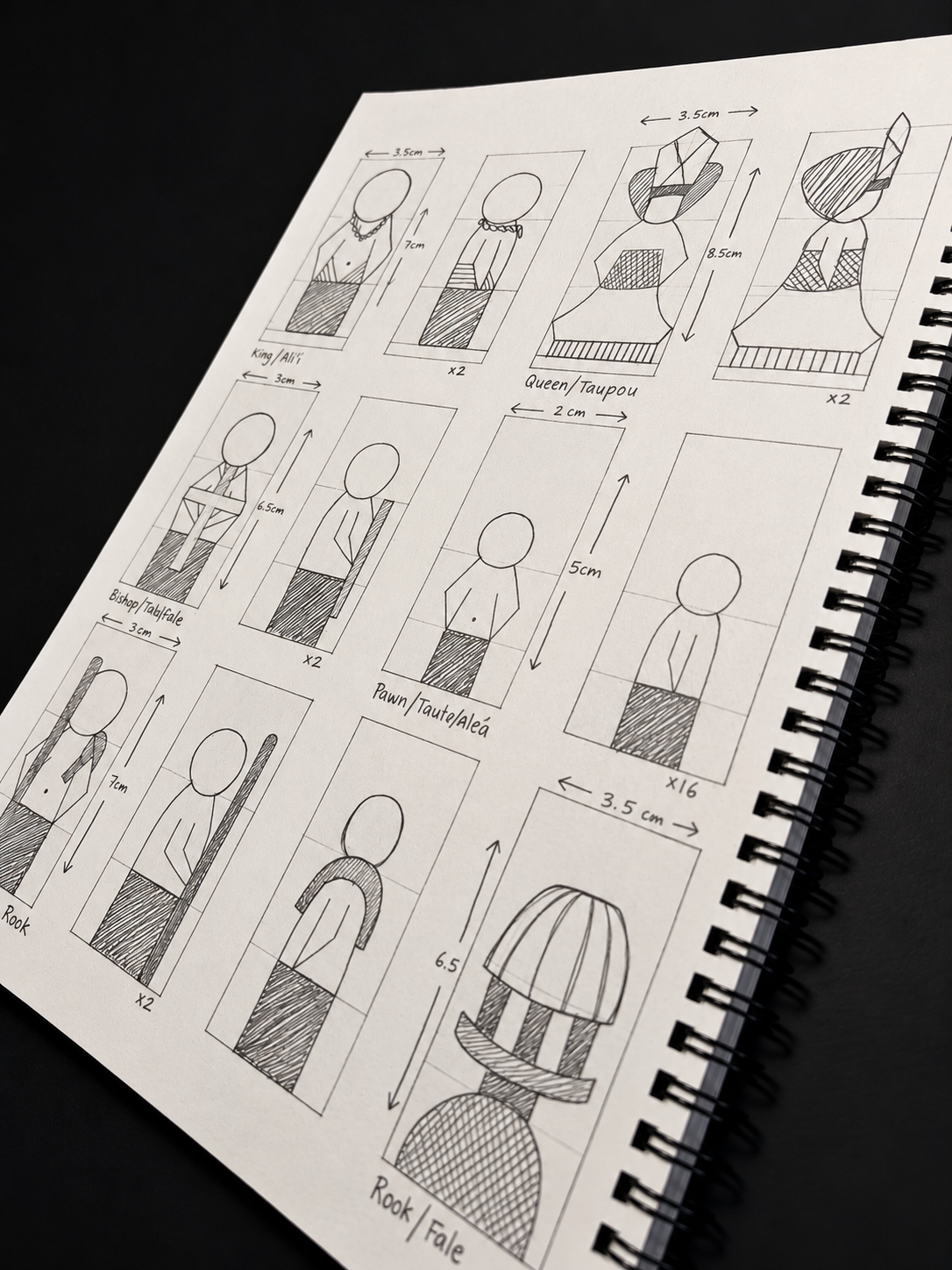
When approaching the design of the chess pieces, I began by researching each role to understand its significance within Samoan society and ensure I had a deeper understanding of its cultural importance.
Research was conducted into the materials used in traditional Samoan attire and fale structures to ensure the accuracy of the designs.
During the design development process, my goal was to translate the complex details of traditional Samoan attire into simplified contemporary forms. I wanted to retain enough of the original details to communicate the significance of each role without losing its cultural connection or misrepresenting the culture.
The visual direction draws on contemporary shapes and forms to create a design language that feels both modern and timeless. By embracing simplicity, refined silhouettes and considered proportions, the visual direction avoids overly decorative or trend-driven elements, allowing the design to remain relevant over time.
The result is a visual identity that feels distinctive, purposeful and connected to its cultural foundations while appealing to a contemporary audience.
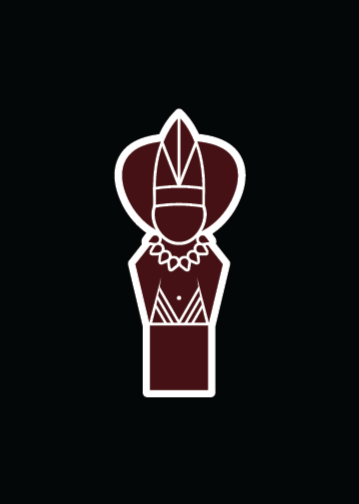
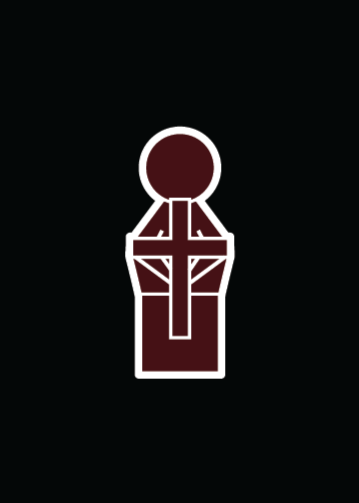

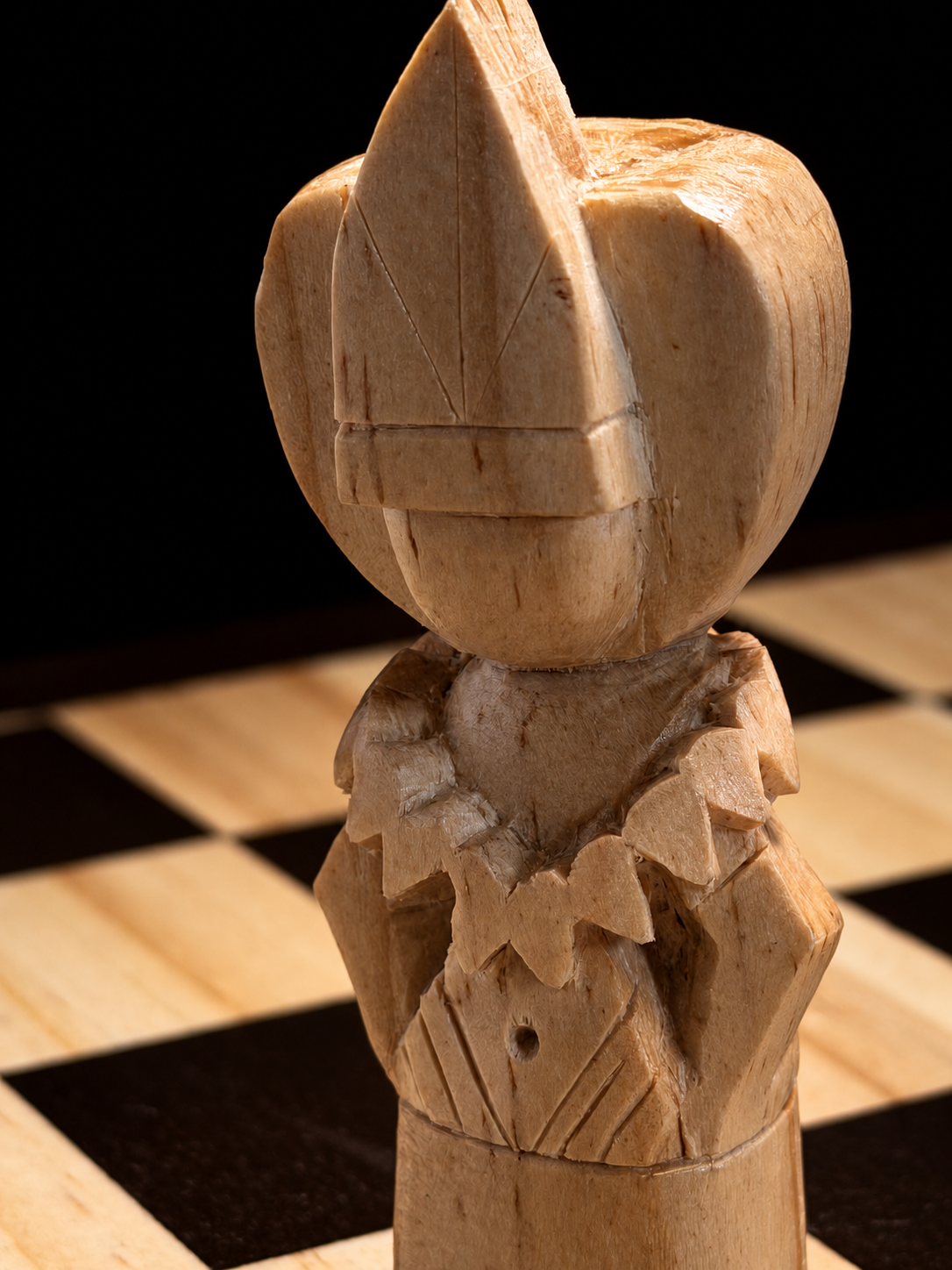
Ali’i - King
Design:
Headpiece - Tuiga
Necklace - Ula fala
Torso markings - Pe’a
Role:
The Ali’i is the highest chiefly ranking in Samoa. As the head of the family they must facilitate family meetings and make decisions on behalf of their family.
Faife’au - bishop
Design:
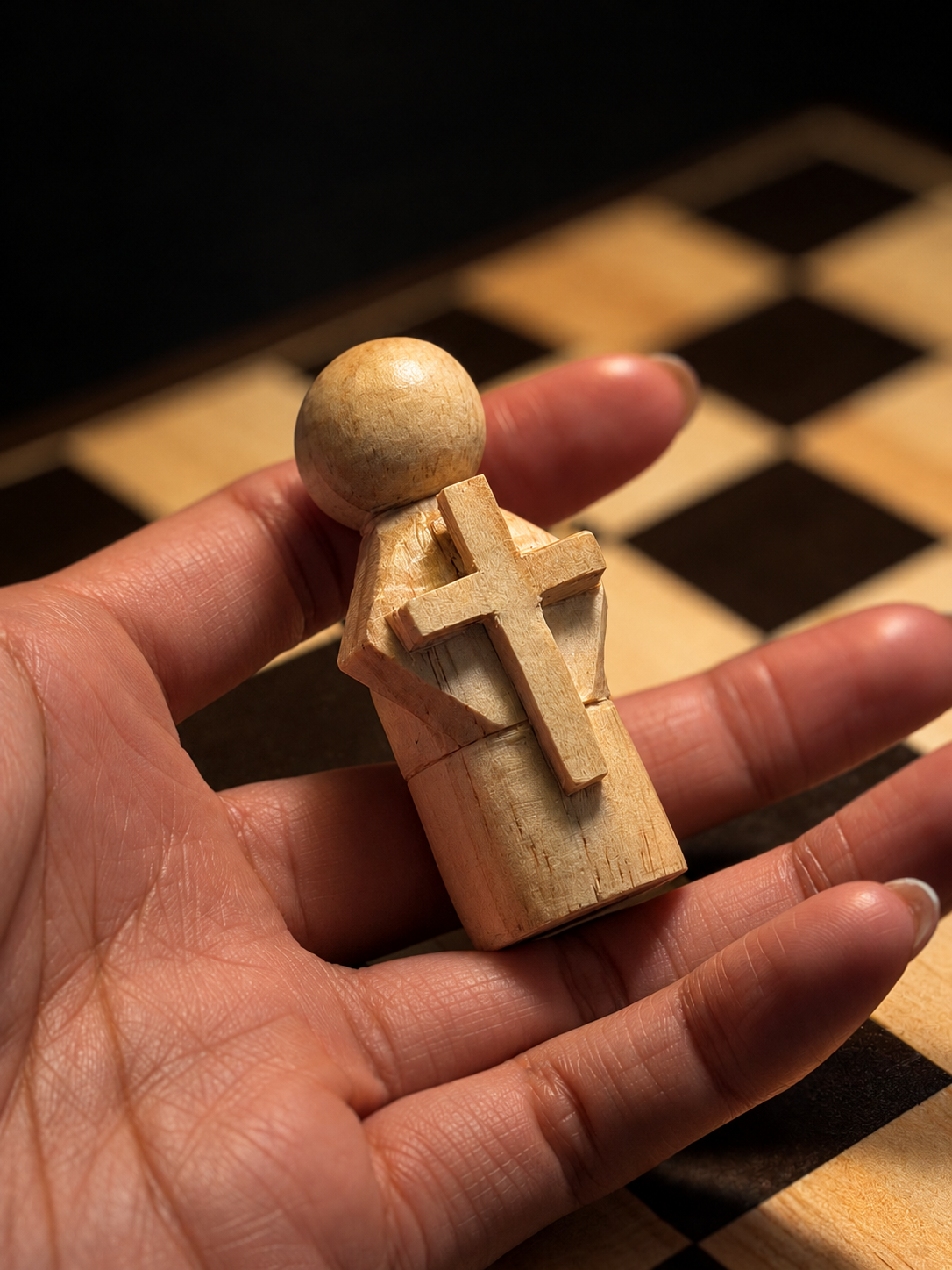
Cross - Latin cross
Role:
Faife’au translates to priest, pastor or church minister and is the most important role in Samoan society. Religion is at the forefront of Samoan culture. The Faife’au provide spiritual guidance to church communities and families.
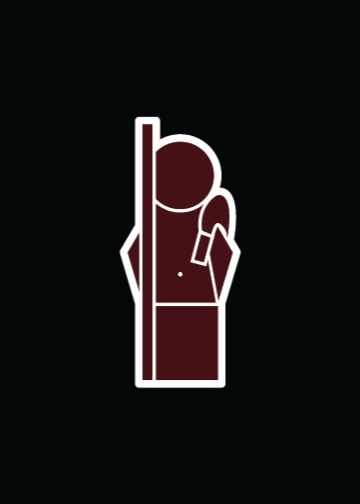
Fale - Rook
Design:
Domed roof
Wooden pillars
Wooden platform
Fale:
The fale is a traditional Samoan house designed to accommodate the dry and wet seasons. The open floor plan allows for strong gusts of wind from cyclones to pass through, as well as creating open air circulation when the climate is hot.
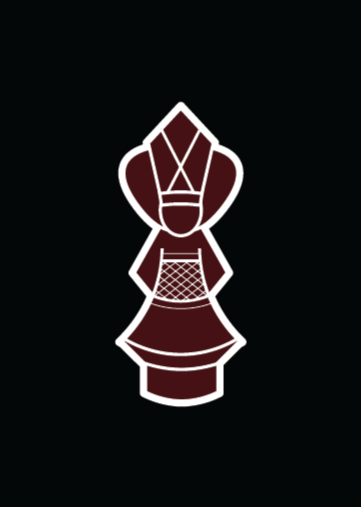
Taupou - queen
Design:
Headpiece - Tuiga
Dress - ‘Ie toga (finely woven mat)
Role:
The Taupou is the daughter of the high chief. She represents all that is fa’asamoa and evokes purity, grace and is the Samoan equivalent of a princess.
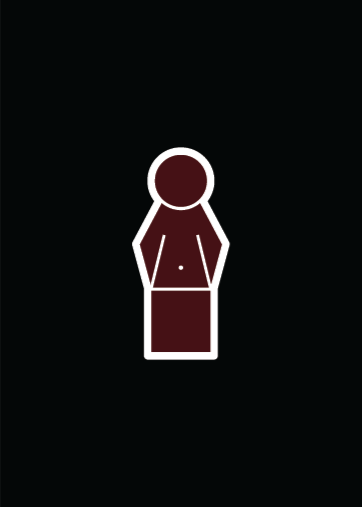
tulafale - knight
Design:
Staff - To’oto’o
Fly whisk - Fue
Role:
The Tulafale is orator chief. They are the mouthpiece of the Ali’i and must verbalise their decisions. They have the important skill of oratory and must know the genealogies and in depth knowledge of Samoan traditions and customs.
taule’ale’a
Design:
Bottoms - ‘Ie lavalava
Role:
The Taule’ale’a is an untitled man in Samoa. They are incharge of all the physical labour work such as, fishing, farming, cookings, building etc. They are known as “the strength of the village”.
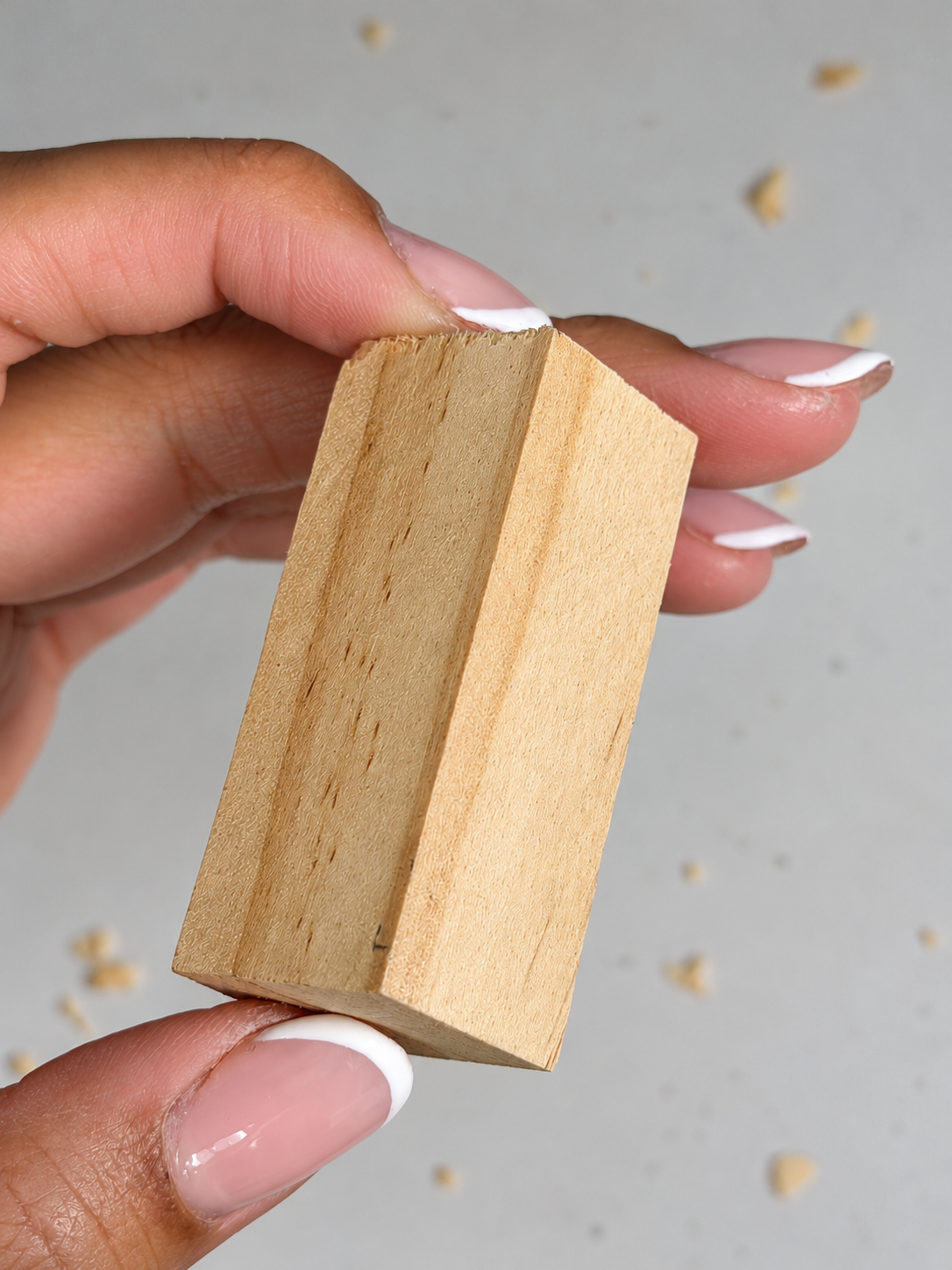
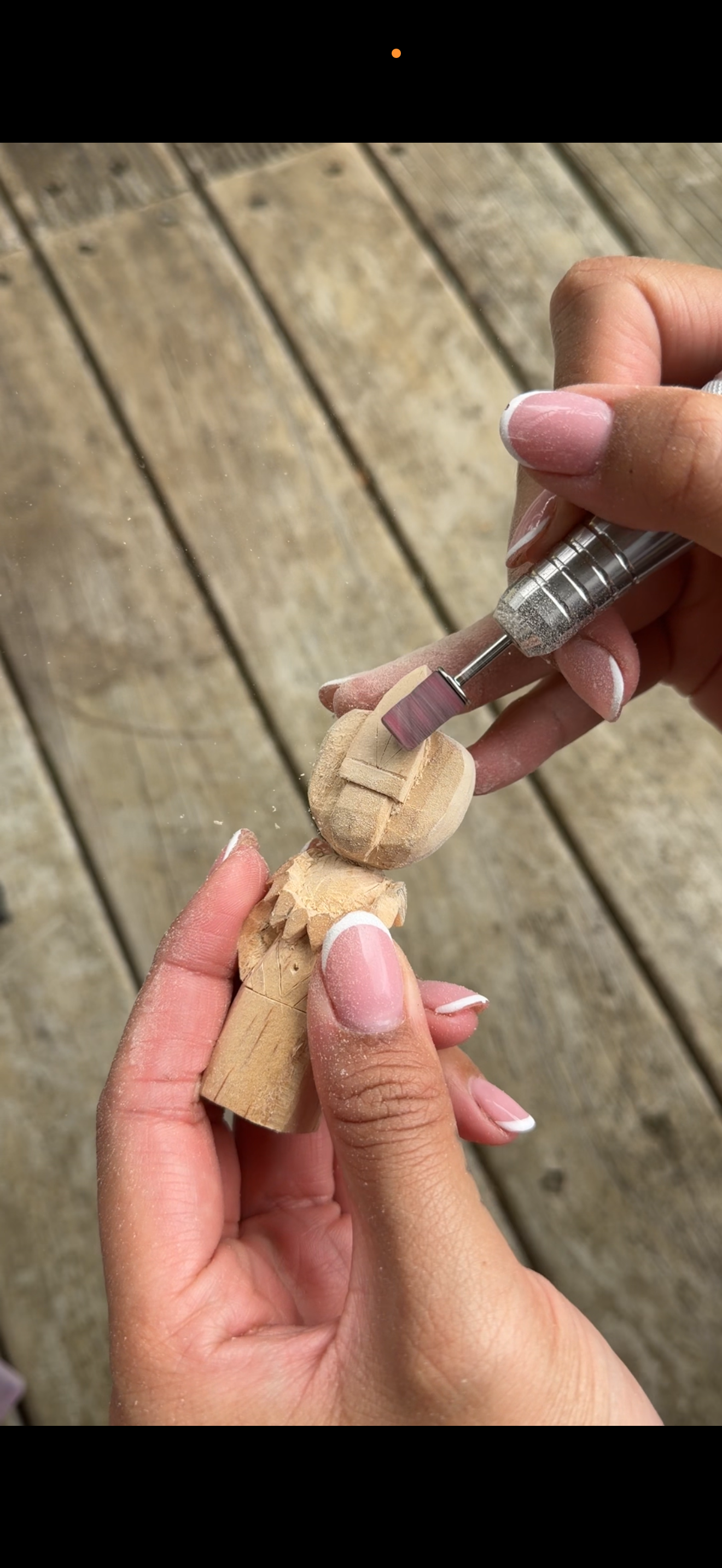
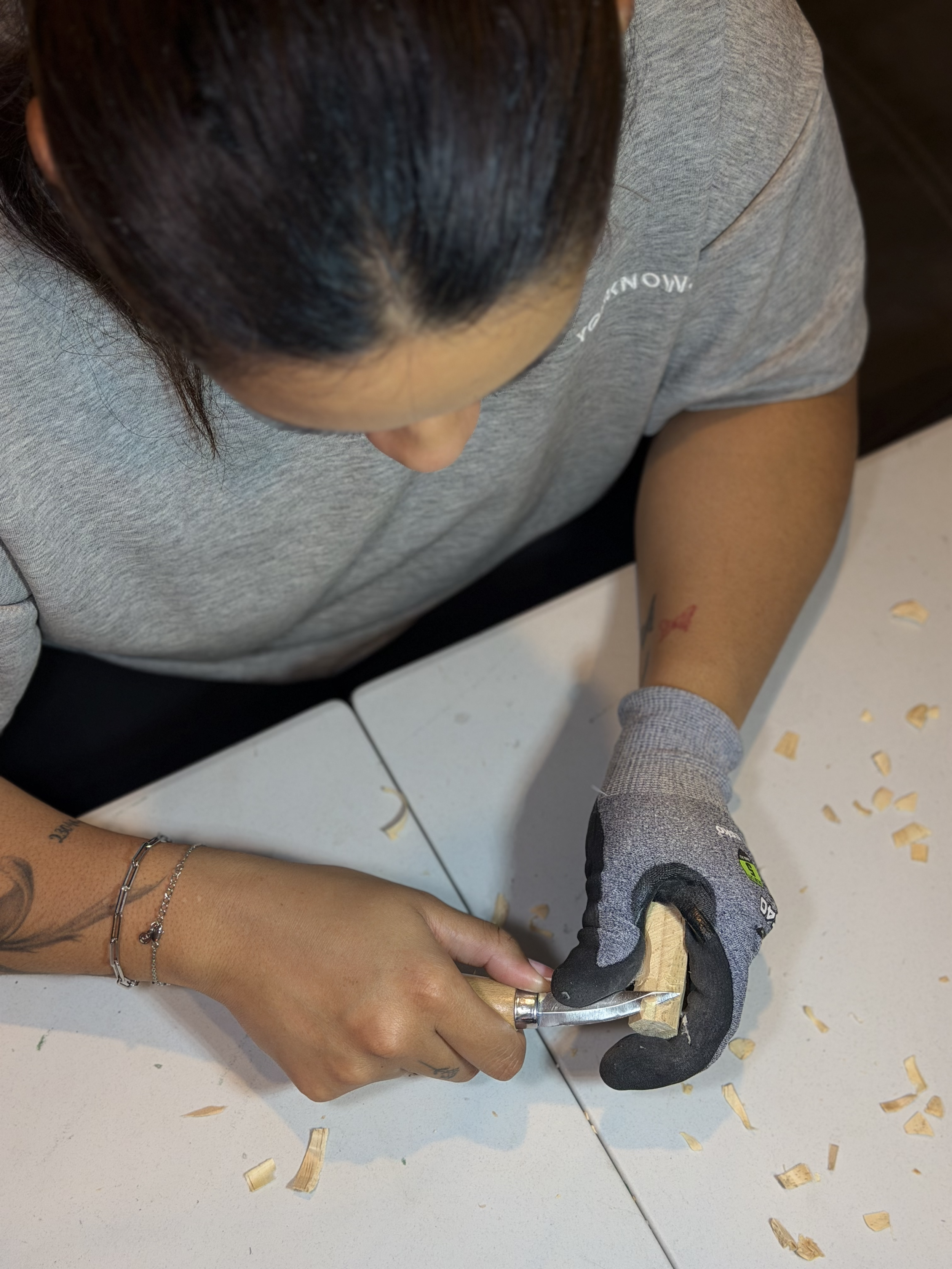
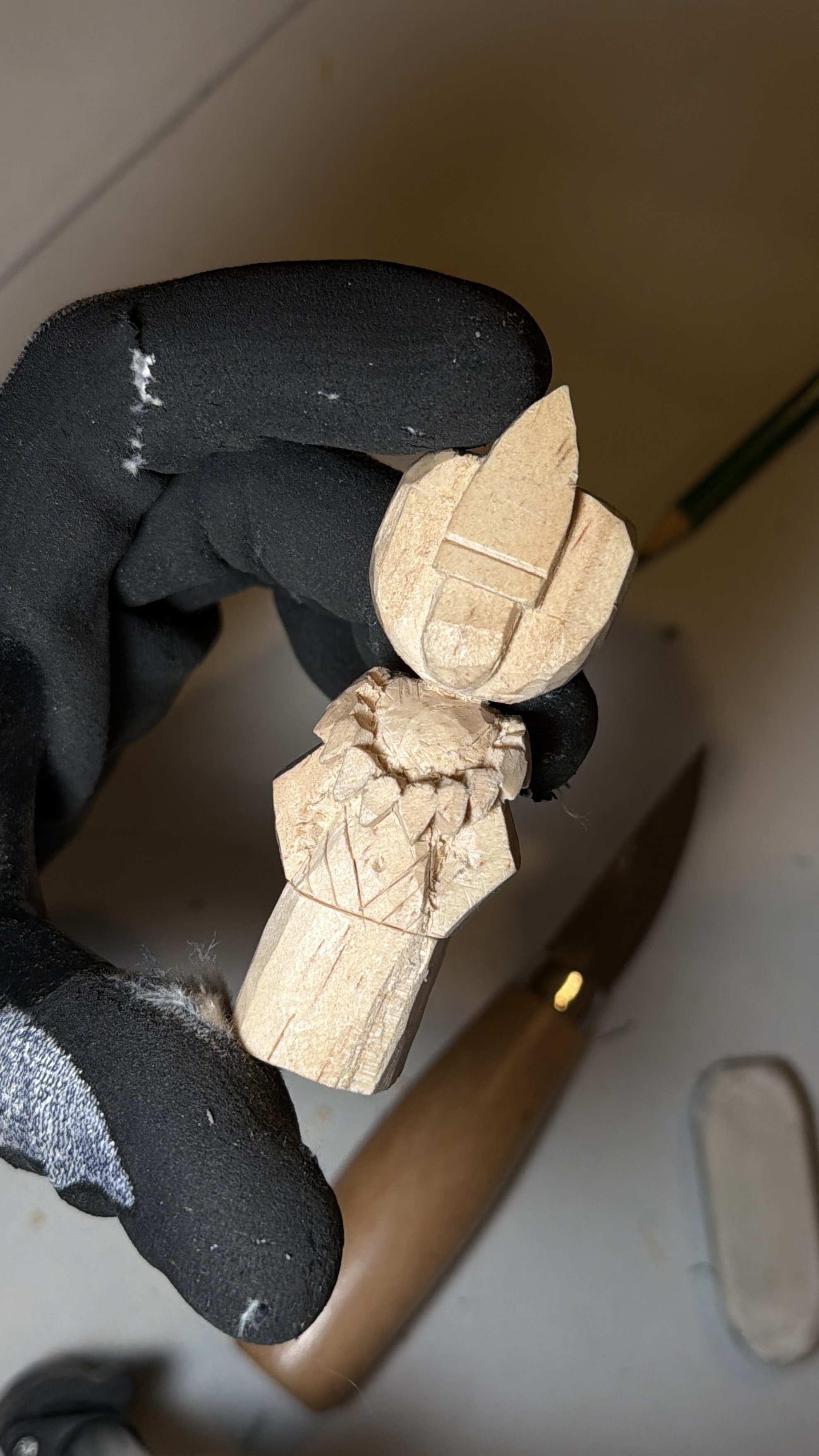
The carving process began by measuring and cutting the wood into blocks for each piece. I then marked key points and outlined the shape before applying whittling techniques. Different types of whittling knives were used throughout the process, depending on the level of detail required for each piece. This was a slow and meticulous process, ensuring each piece remained consistent with the intended design.
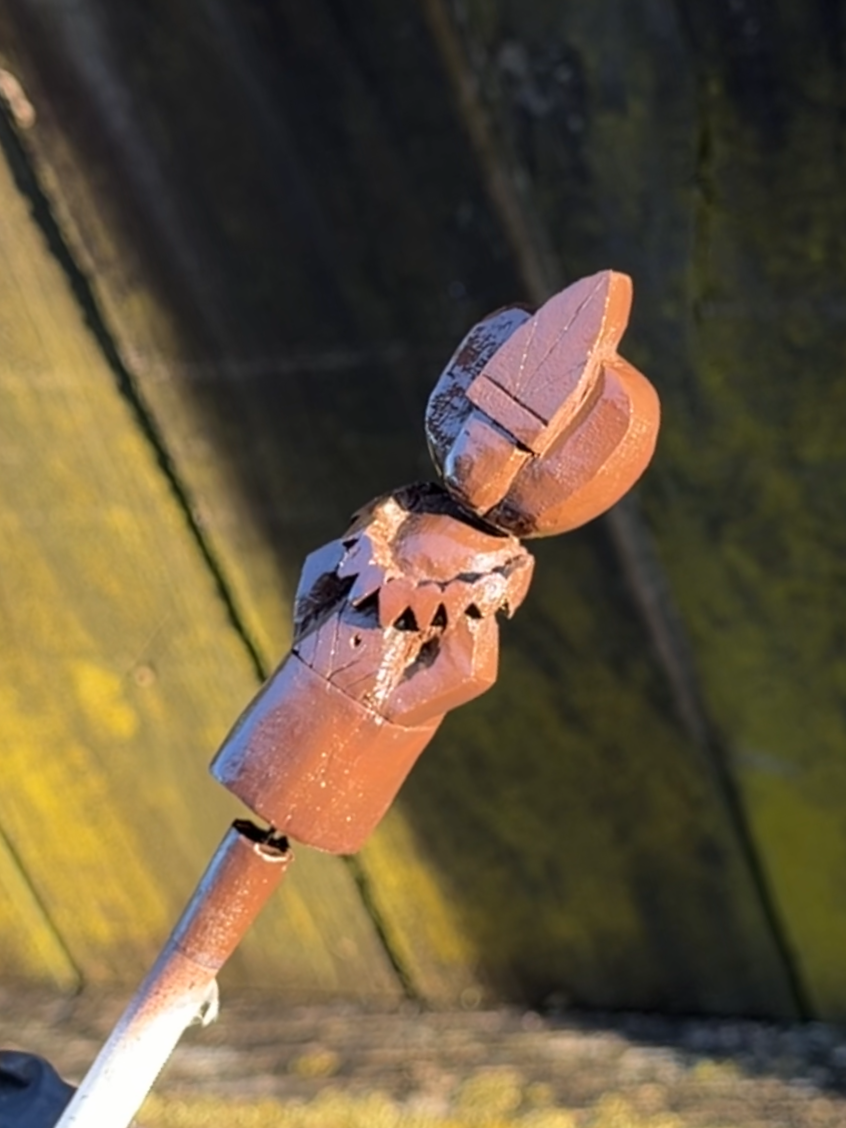
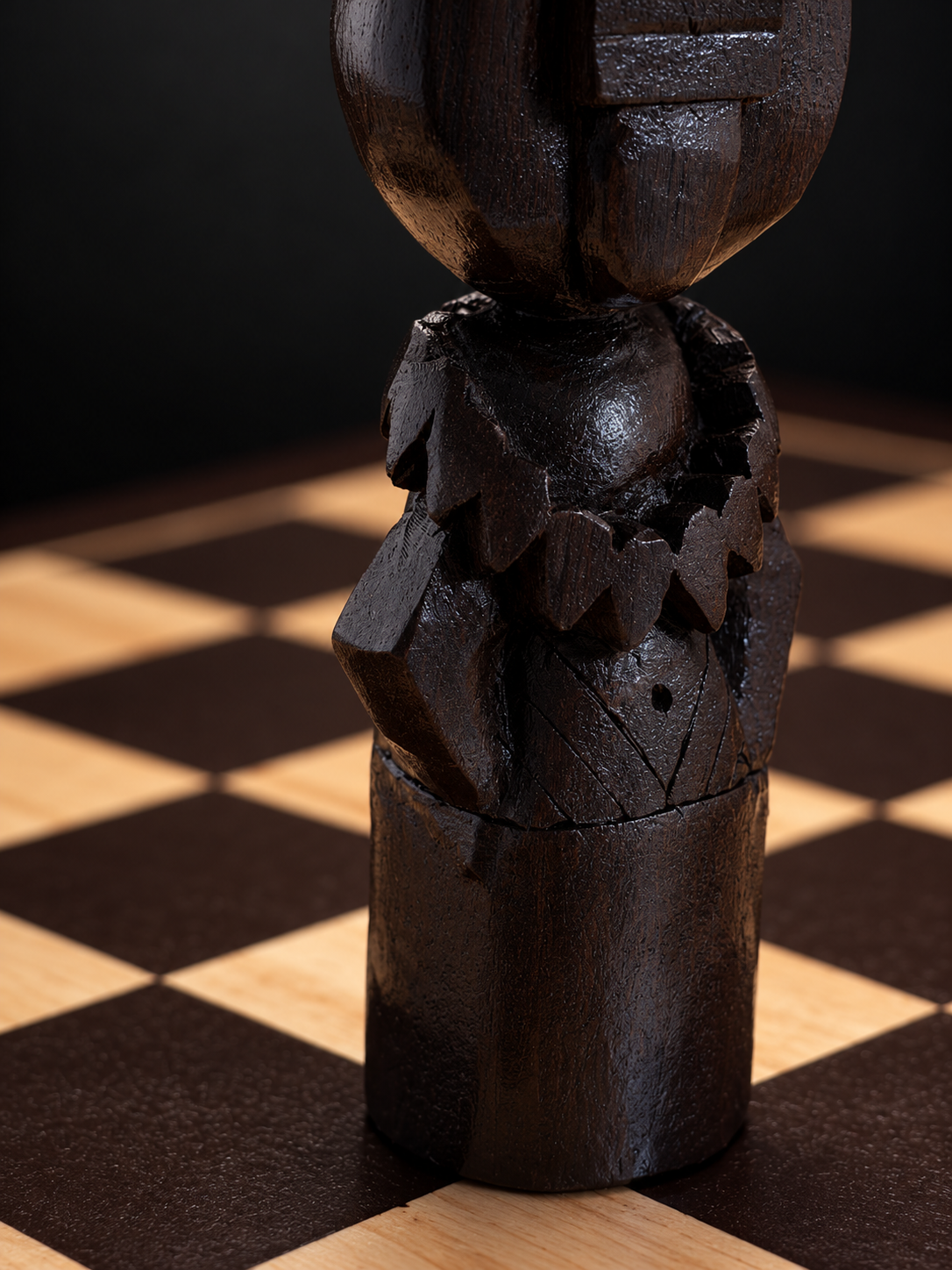
Once the carving was complete, I sanded each piece to smooth out rough edges and refine the surfaces, giving them a clean finish. I then applied brown wood spray paint and a gloss coating to finish the pieces, creating a strong contrast between the light and dark halves of the chess set.
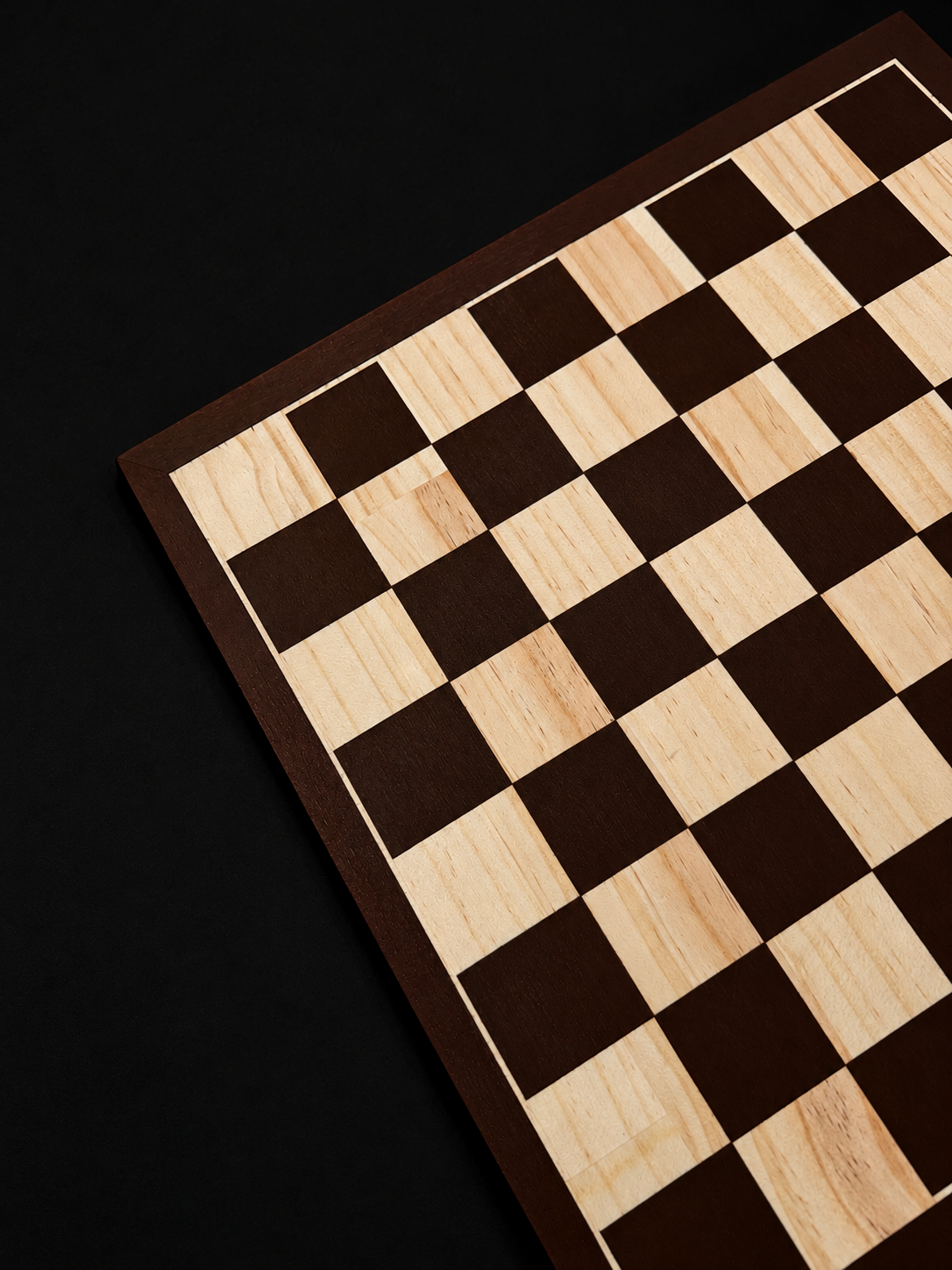
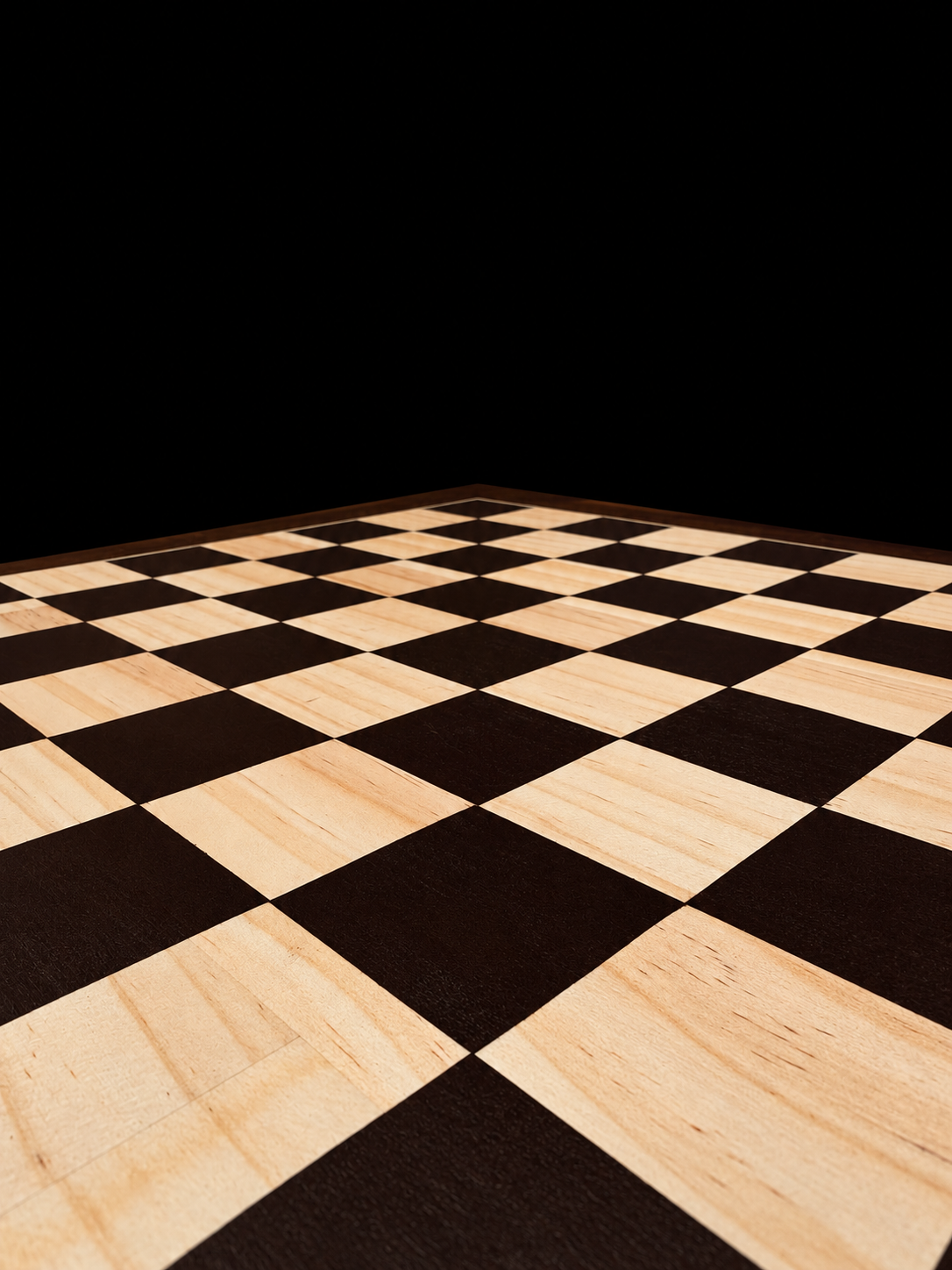
When designing the chessboard, I wanted to maintain a minimal aesthetic that would allow the chess pieces to remain the focal point. A more intricate board design risked making the overall set feel overdesigned, creating visual competition between the board and the pieces. Once the design of the board was decided, I measured and cut a Radiata Pine board to size using the same wood used to make the chess pieces, to maintain visual cohesion. This board was then sanded and prepped for the next step.
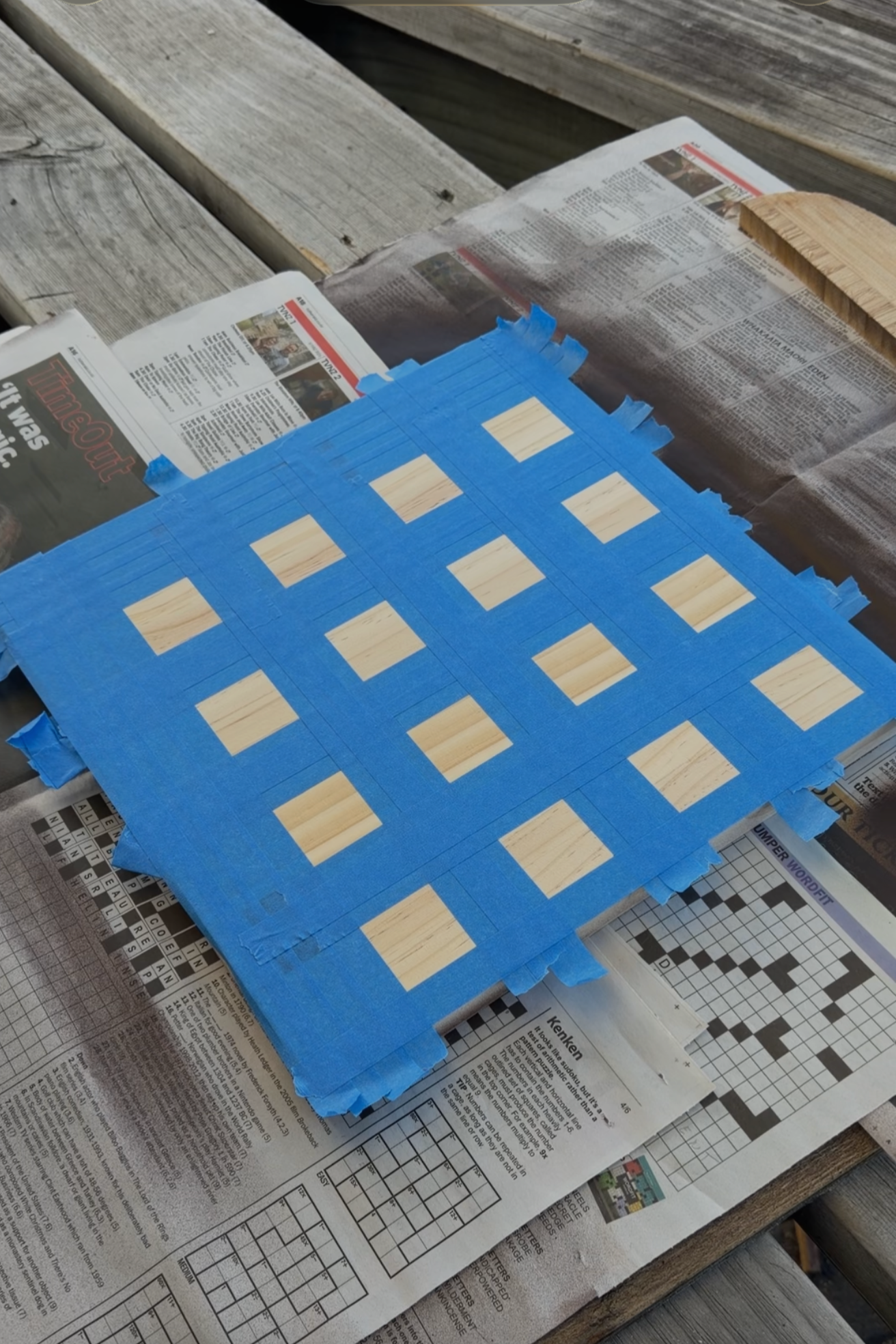
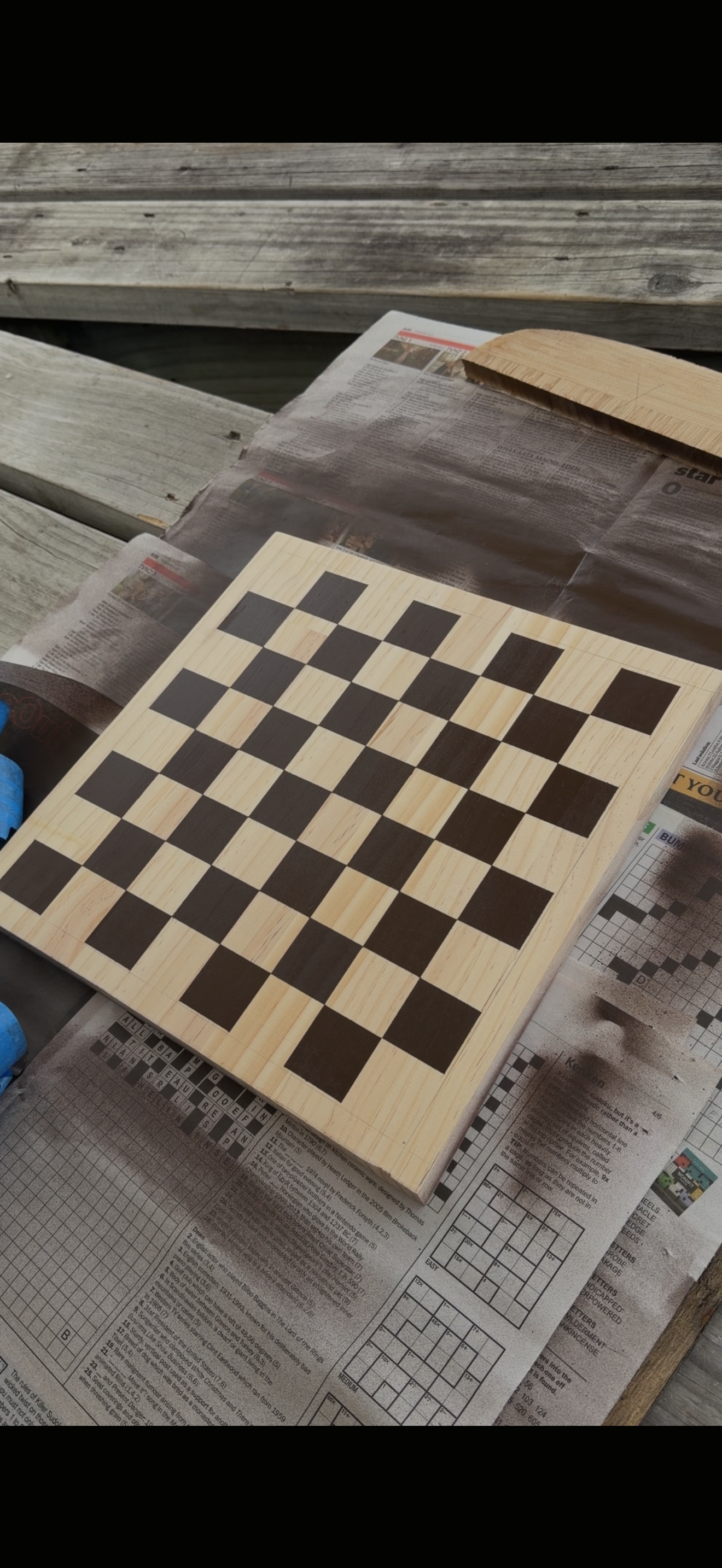
To create the checkerboard pattern, I used masking tape to map out each square before applying a wood spray paint. This technique allowed me to achieve clean, defined edges and an even coat across the board. A clear spray paint was then used to seal in the paint and reveal a shiny gloss finish.
outcome
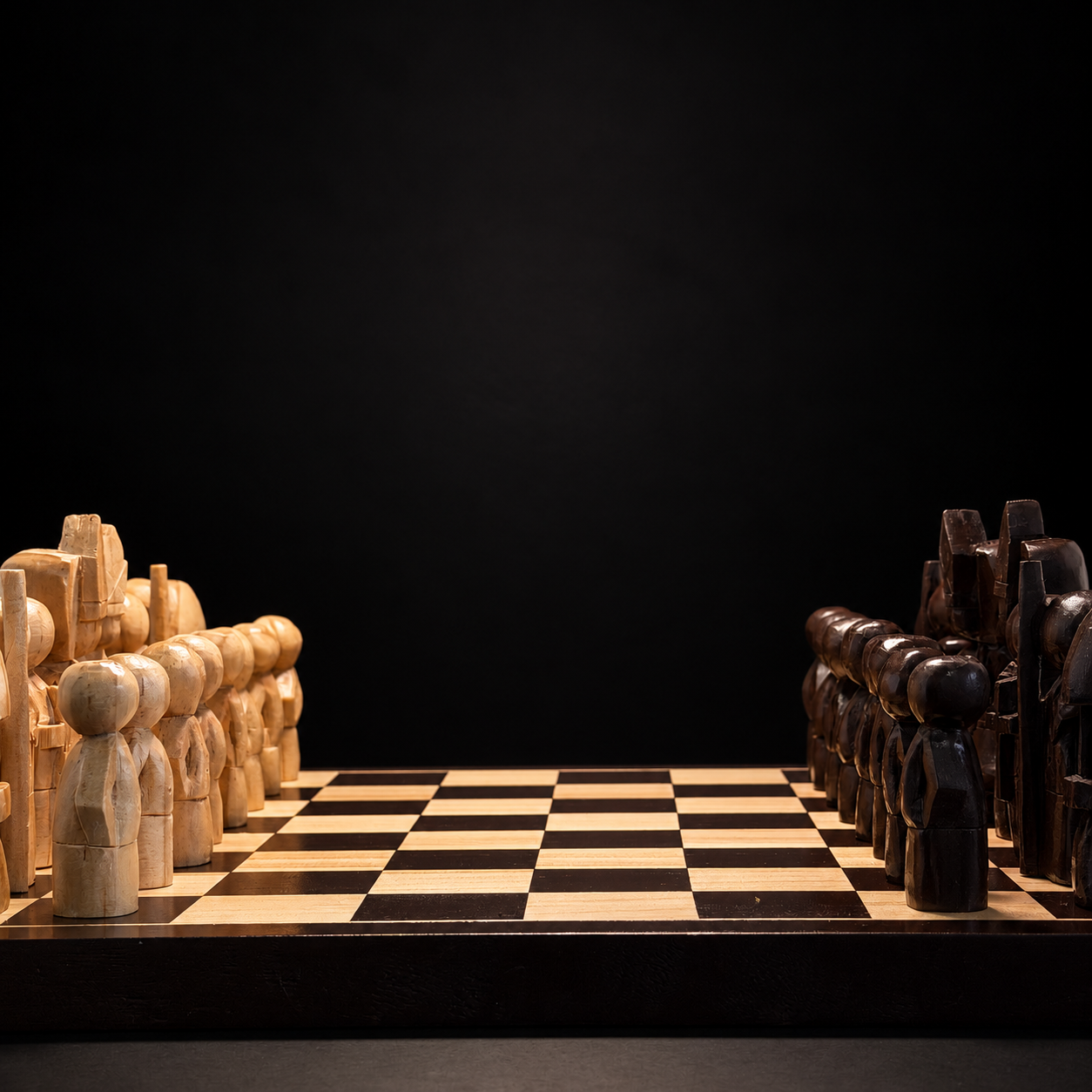
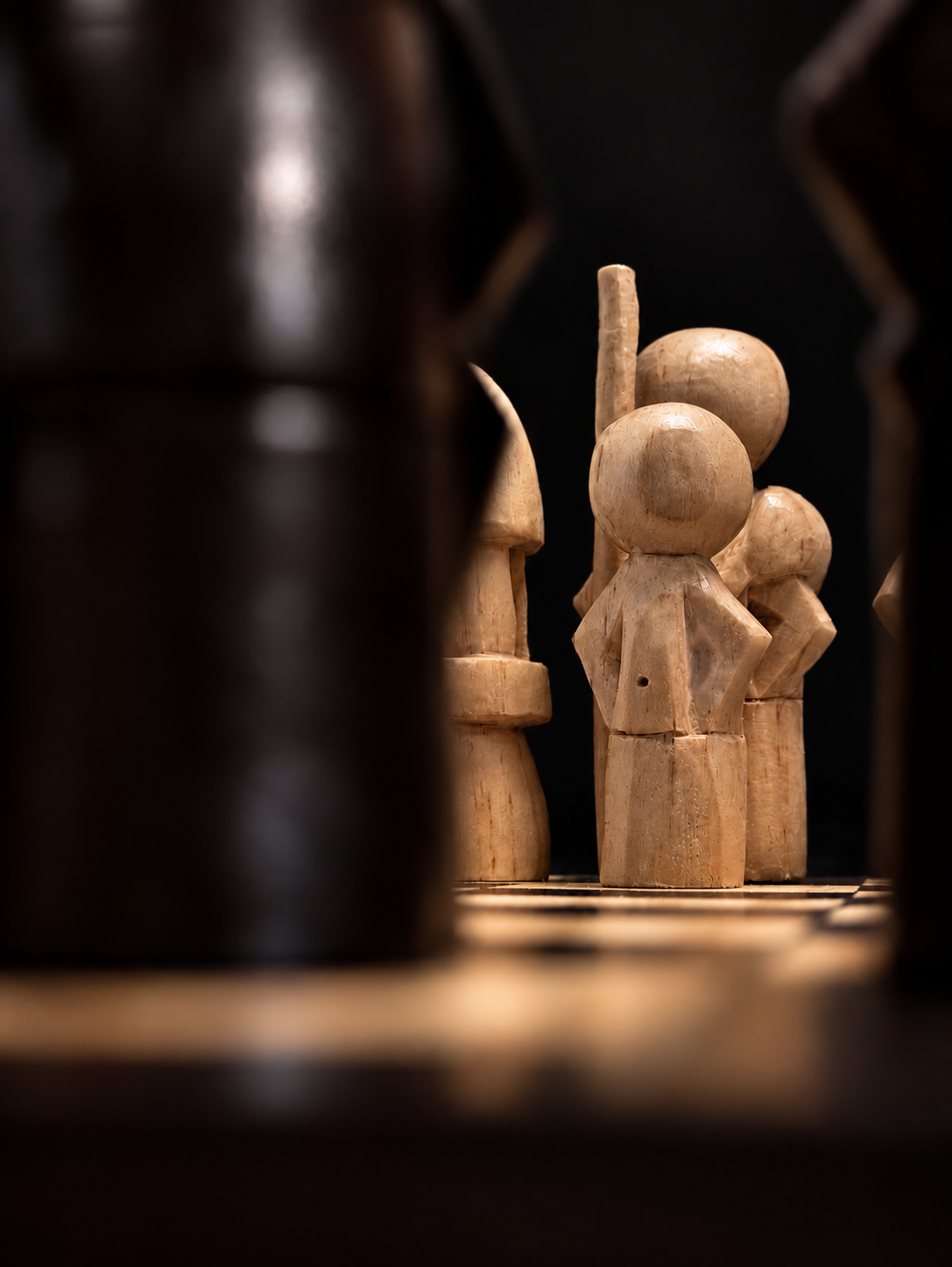
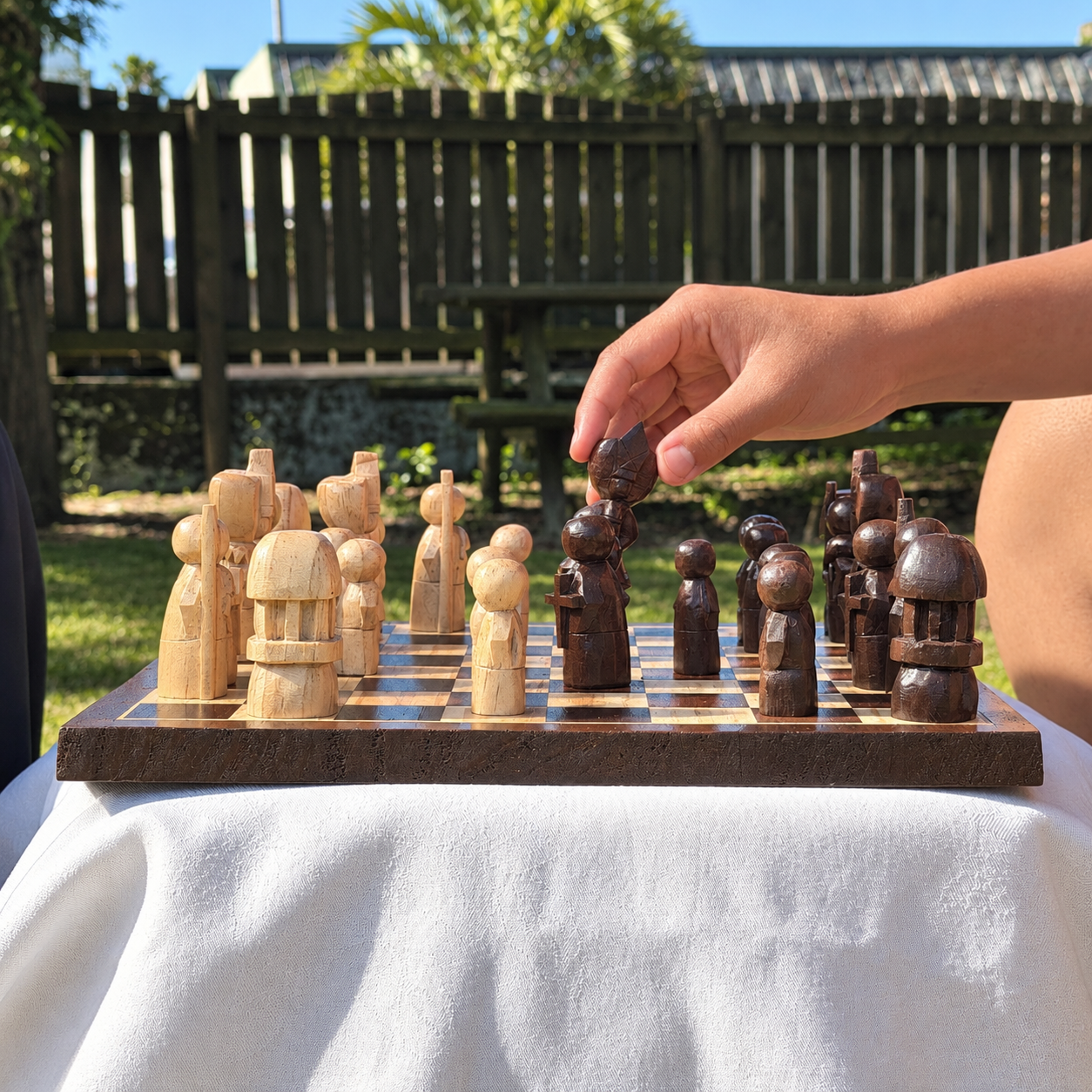
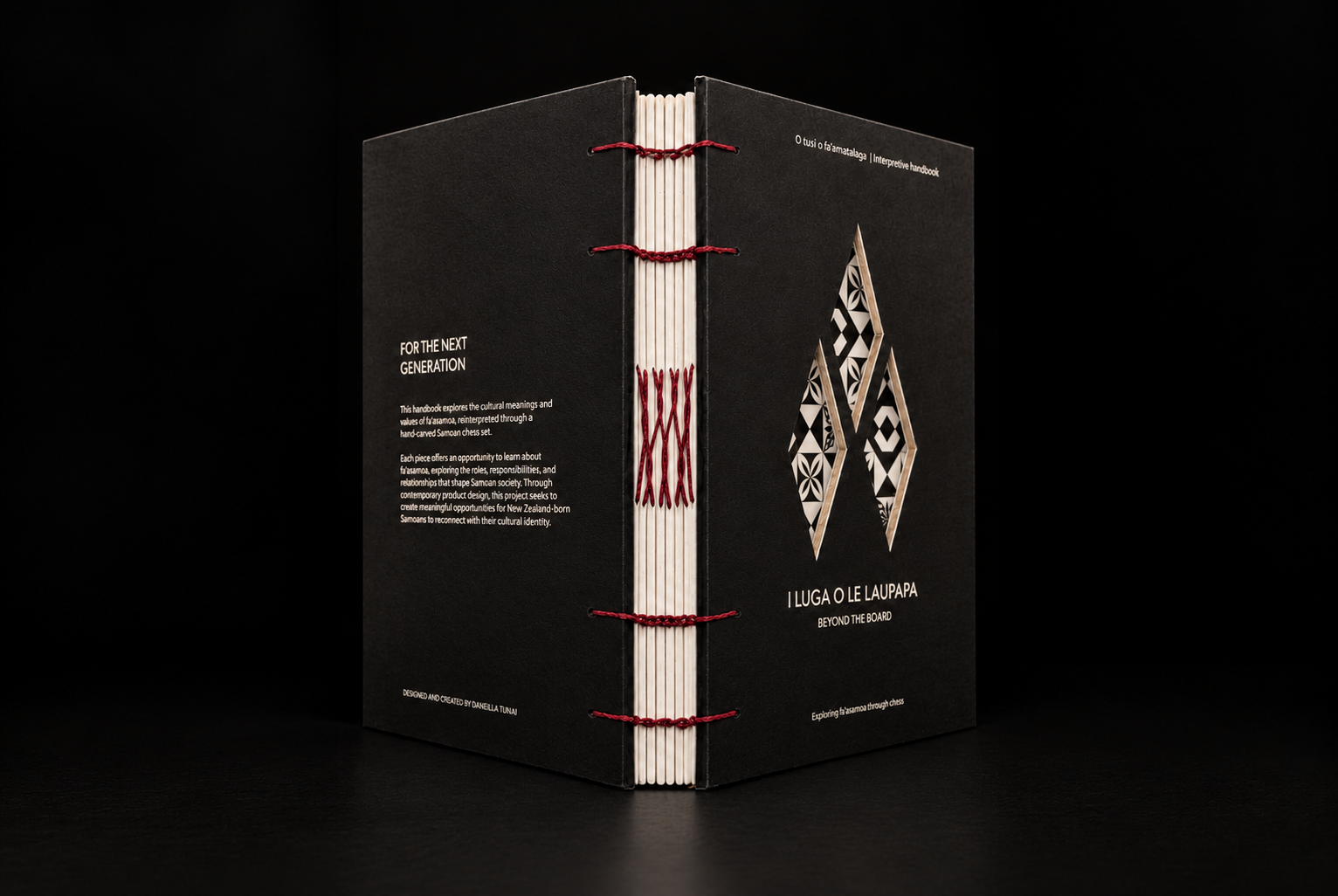
a cultural artefact that offers a fresh perspective on samoan culture
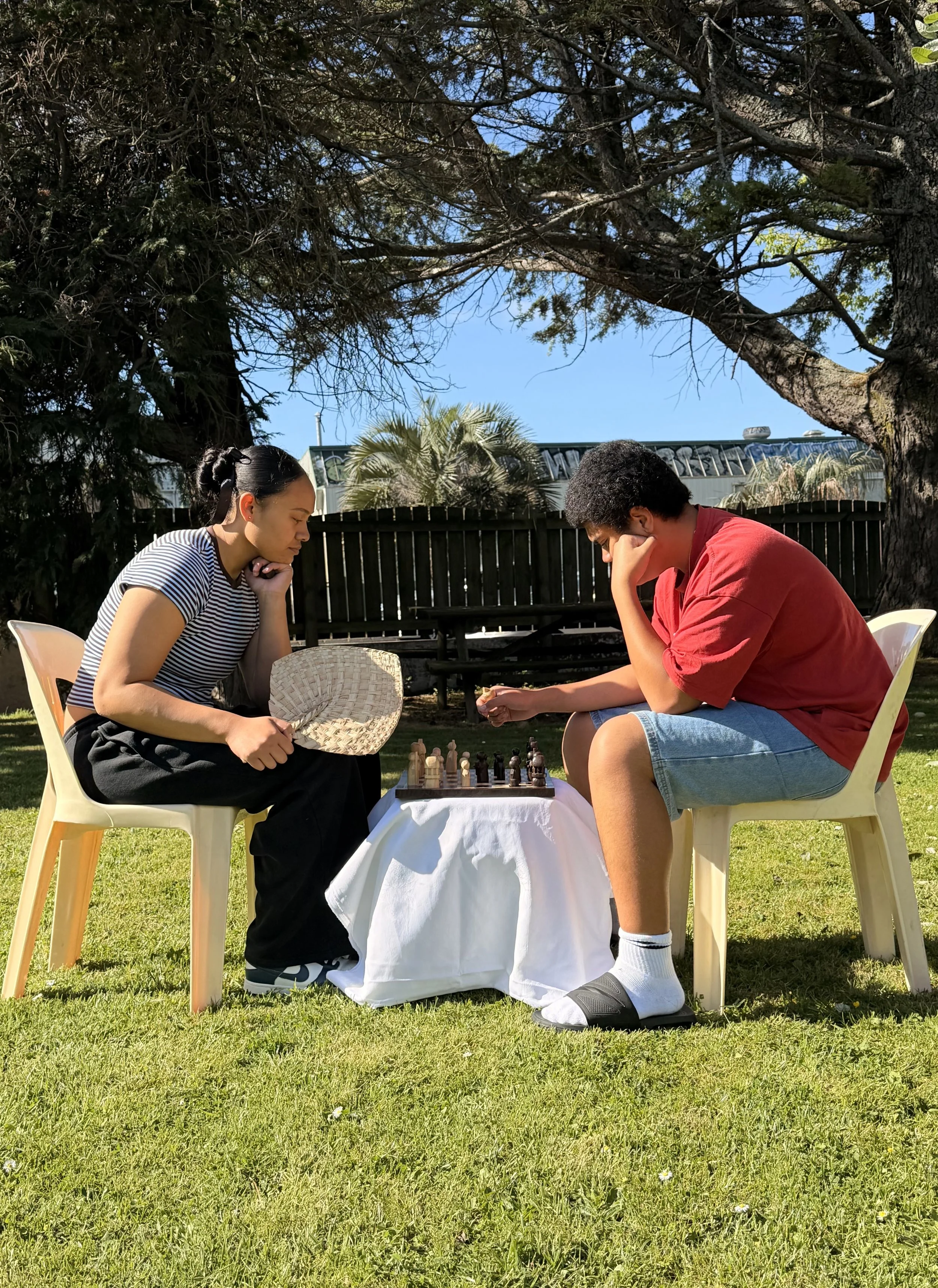

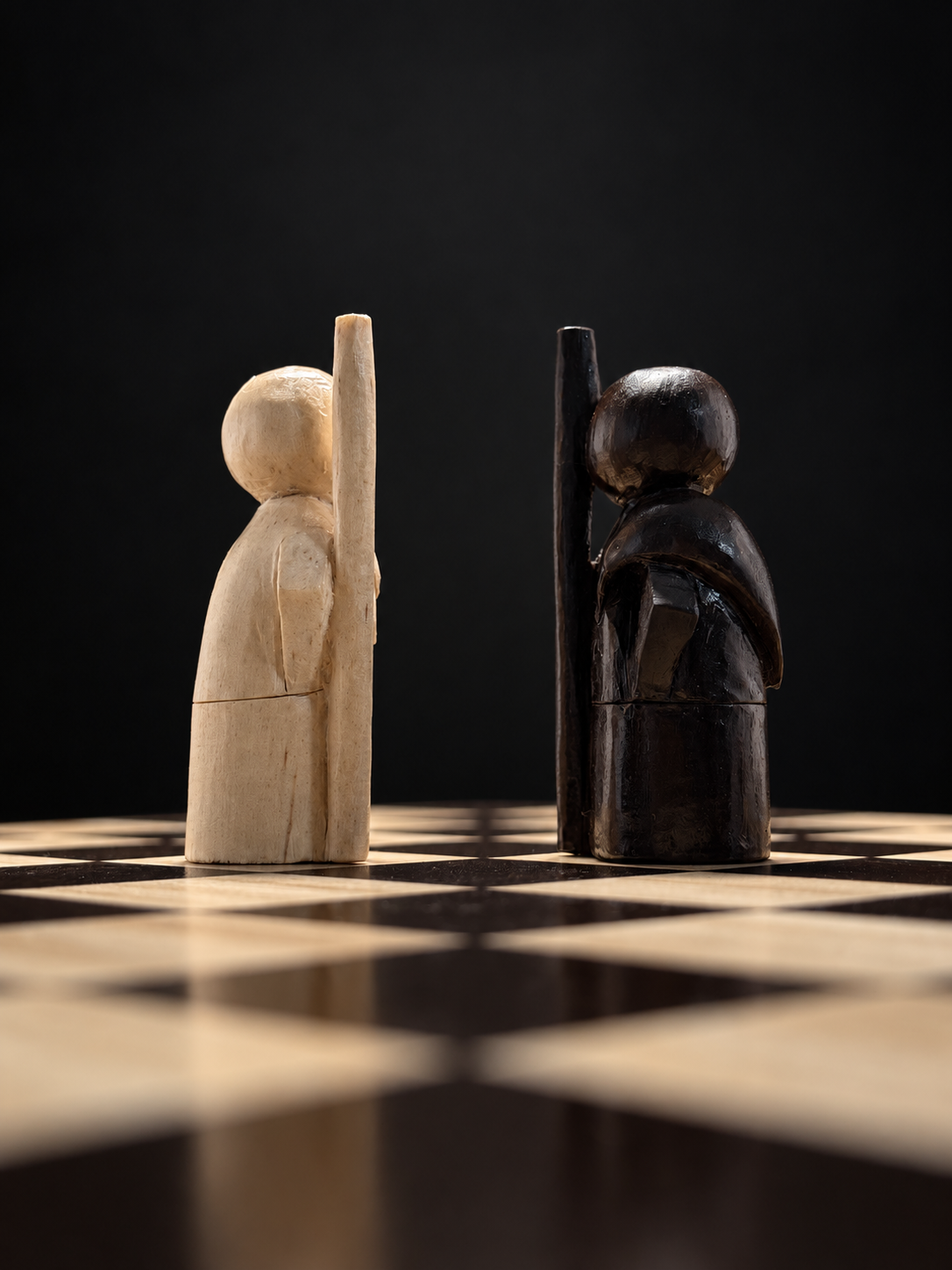
designed to be passed down from generations to generations, to keep the culture alive
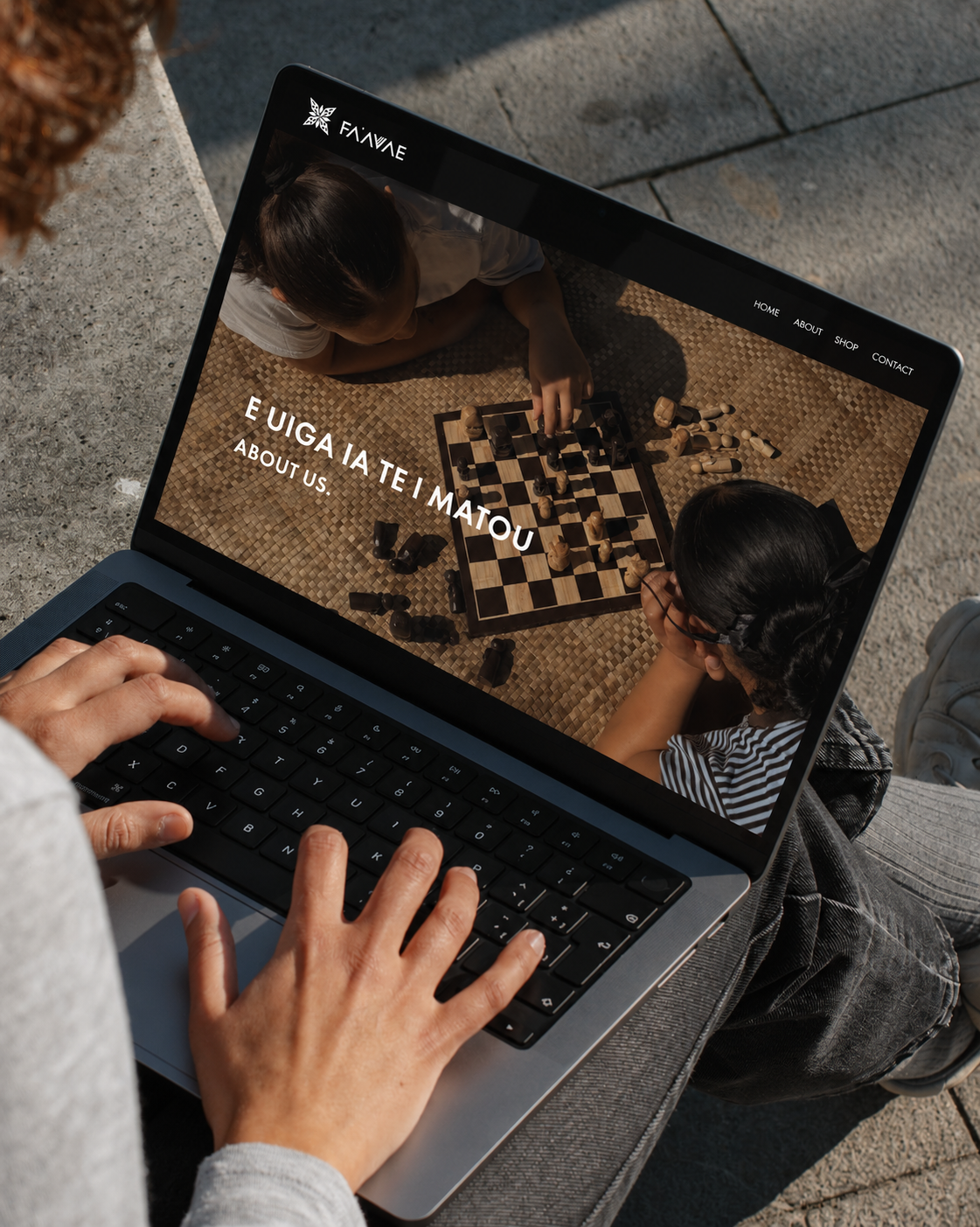
designed for the next generation to learn, play and explore